To organize your cleaning cloths, sponges, and rags effectively, start by categorizing items based on usage and area. Store frequently used cleaning supplies in dedicated, labeled containers for easy access, and keep infrequently used items separate to reduce clutter. Use color-coded cloths to prevent cross-contamination and hang damp cloths to dry thoroughly. Regularly clean and replace worn-out tools, and consider ventilated storage options. Keep everything tidy, and you’ll find it easier to maintain a clean space—more tips await if you keep exploring.
Listen free for 30 days with Audible
Thousands of audiobooks and originals — cancel anytime.
As an affiliate, we earn on qualifying purchases.
Key Takeaways
- Use color-coded cloths and sponges for different areas to prevent cross-contamination.
- Store frequently used items in labeled, easily accessible containers or caddies near workstations.
- Hang damp cloths on hooks or place them on ventilated drying racks for thorough drying.
- Regularly discard worn or stained cloths and replace cleaning tools as needed.
- Keep storage areas clean, dry, and organized with stackable containers and clear labeling for efficiency.
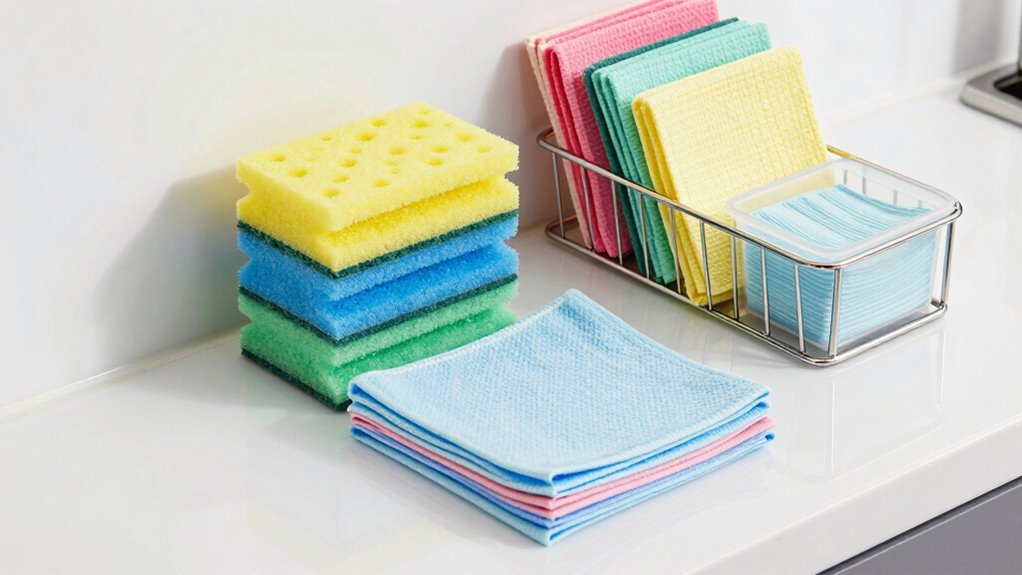
Keeping your cleaning cloths, sponges, and rags organized can make your cleaning routine more efficient and less cluttered. The key is to find effective storage solutions that keep your cleaning supplies accessible and hygienic. Start by evaluating your collection of cloths, sponges, and rags—identify which items you use most often and which ones can be stored away. This way, you avoid overcrowding and ensure your daily cleaning essentials are within easy reach. Consider dedicating a specific container or caddy for your most-used supplies. A labeled bin or a divided basket can help you keep different types of cleaning tools separate, making it simpler to grab what you need without rummaging through a jumble of items.
When choosing storage solutions, prioritize ease of access and cleanliness. For sponges and rags, a drying rack or a ventilated container works well because it promotes air circulation, helping them dry faster and preventing mold or bacteria buildup. If space allows, hang a small wall-mounted rack or hooks near your sink for hanging damp cloths. This not only keeps them out of the way but also ensures they dry thoroughly between uses. For cloths and rags that you frequently wash, designate a separate bin or laundry basket, clearly marked for cleaning supplies. This prevents cross-contamination and keeps your cleaning area tidy. Additionally, using color-coded cleaning cloths can help prevent bacteria transfer between different areas of your home.
In addition, consider investing in stackable containers or drawer organizers for smaller items. These storage solutions maximize space and help you keep everything neat and visible. When organizing your cleaning supplies, remember to keep frequently used items at the front or top for quick access. For lesser-used tools, store them in less prominent spots—perhaps in a cabinet or a higher shelf. Regularly declutter and clean out your storage areas to remove old, worn, or unused cloths and sponges. Discard any that are stained, torn, or harbor bacteria, and replace them as needed. Ensuring proper storage hygiene is essential for maintaining a clean environment and preventing the spread of germs. Proper air circulation techniques can also help keep your cleaning tools dry and sanitized, further reducing bacteria buildup. Incorporating antimicrobial storage solutions can provide an extra layer of protection against bacteria and mold growth. Additionally, using moisture-absorbing products like silica gel packets can help keep your storage areas dry and prevent mold development.
Keeping your cleaning cloths, sponges, and rags well-organized not only streamlines your cleaning process but also promotes better hygiene. By implementing practical storage solutions, you’ll avoid the mess that often comes with cluttered supplies and make your cleaning routine smoother. With everything in its proper place, you’ll spend less time searching for supplies and more time actually cleaning, making your home sparkle and stay fresh.

Lifewit 6 Pack Clothes Storage Bins with Lids, Foldable Blanket Storage Bags with Zippers, Clear Window and Reinforced Handles, Closet and Organization for Clothing, Sweater, Comforter, Bedding
- Reinforced Handles for Durability: Double-layer fabric and strong seams
- High-Quality Breathable Material: Odorless, soft, and ventilated fabric
- Clear Windows for Easy Identification: Transparent design for quick access
As an affiliate, we earn on qualifying purchases.
As an affiliate, we earn on qualifying purchases.
Frequently Asked Questions
How Often Should I Replace My Cleaning Cloths and Sponges?
You should replace your cleaning cloths and sponges every one to two weeks, depending on their cleaning cloth lifespan and sponge replacement frequency. If they develop a bad smell, look stained, or harbor bacteria, it’s time to swap them out. Regularly laundering cloths and disinfecting or replacing sponges helps prevent germs from spreading. Staying proactive guarantees your cleaning tools stay effective and hygienic for your household.
What’s the Best Way to Prevent Mold on Cleaning Rags?
To prevent mold on cleaning rags, you should always dry them thoroughly after use and avoid leaving them damp. Store your rags in a well-ventilated area to promote airflow and reduce moisture buildup, which helps prevent mold growth. Consider hanging them to dry or using a breathable container. Regularly washing and ensuring complete dryness are key to mold prevention and keeping your cleaning supplies fresh.
Can I Use the Same Storage for Different Cleaning Supplies?
Think of your storage as a well-organized library—each section needs its own space. You shouldn’t use the same storage containers for different cleaning supplies because cross-contamination risks grow. Instead, use clear labeling methods to identify each container’s contents. This way, you maintain hygiene and efficiency, ensuring that cleaning cloths, sponges, and rags stay fresh and safe. Properly labeled containers make your cleaning routine smoother and more effective.
How Do I Disinfect Cleaning Cloths Safely?
To disinfect cleaning cloths safely, you should soak them in a disinfectant solution like diluted bleach or a commercial disinfectant approved for fabric. Use microfiber materials for effective cleaning and quick drying. After soaking for about 5-10 minutes, rinse thoroughly with water and let them air dry completely. Always wear gloves and guarantee good ventilation when handling disinfectant solutions to avoid skin irritation and inhalation.
What Are Eco-Friendly Options for Organizing Cleaning Tools?
You can use eco-friendly options like recycling materials for storage containers or choosing biodegradable containers for your cleaning tools. Consider repurposing old baskets or jars to organize cloths, sponges, and rags, reducing waste and clutter. Opt for bamboo or other sustainable materials for holders. These choices help you stay organized while supporting eco-conscious living, making your cleaning routine environmentally friendly and efficient.

Tomorotec Triangle Roll Up Dish Drying Rack with Silicone Coating, Black
- Enhanced Silicone Edge: Longer silicone for durability
- Space-Saving Triangle Design: Fits sink corners efficiently
- Compact Dimensions: 16.1"D x 6.3"W x 0.39"H
As an affiliate, we earn on qualifying purchases.
As an affiliate, we earn on qualifying purchases.
Conclusion
By giving your cleaning tools a proper home, you’re turning chaos into a well-orchestrated symphony of cleanliness. When everything has its place, your cleaning routine becomes smoother than silk, and clutter no longer lurks in the shadows. Think of your organized space as a garden in full bloom — vibrant, inviting, and easy to tend. With a little effort, you’ll keep your cleaning arsenal tidy, turning everyday messes into mere whispers of chaos.
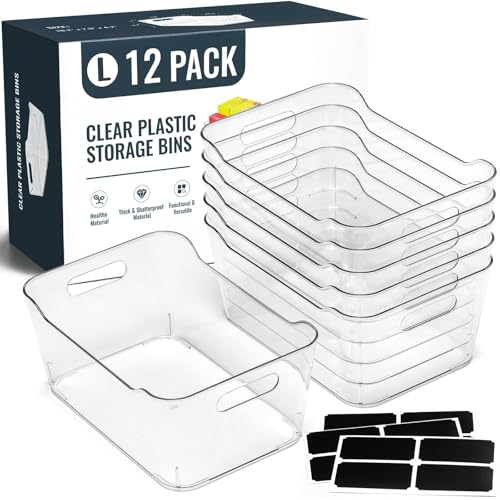
12 PACK Multi-Use Clear Plastic Storage Bins for Organizing w/Labels – Home, Kitchen, Pantry, Bathroom, Office, Cabinet Shelf Organizer Bins – SOHO Collection, RV, Fridge Organization Containers – L
- Set Includes 12 Clear Bins: 12 plastic bins with labels included
- Large Multi-Use Storage Bins: Ideal for home, kitchen, and more
- Food-Grade, Easy-to-Clean Plastic: Made of thick, smooth-edged plastic
As an affiliate, we earn on qualifying purchases.
As an affiliate, we earn on qualifying purchases.

Sumnacon Mop Broom Holder Organizer, 8 Pcs S-Type Wall Mounted Cleaning Tools Organizer, Space Saver Brooms Mops Rakes Hooks Rack, Stainless Steel Heavy Duty Brooms Mops Hook for Kitchen Garage
- Sturdy Wall-Mounted Holders: Securely organize cleaning tools
- Easy Installation: Includes screws for quick setup
- Rubberized Non-Slip Hooks: Prevent slipping of tools
As an affiliate, we earn on qualifying purchases.
As an affiliate, we earn on qualifying purchases.
Fall Picks
fall essentials
As an affiliate, we earn on qualifying purchases.