Your clutter personality influences how you connect with your belongings, whether you’re a hoarder holding onto everything, a sentimentalist valuing memories, or a minimalist seeking simplicity. You might find comfort in certain items or struggle to let go of the past, future, or backups. Recognizing your tendencies can help you understand your attachment to possessions. Keep exploring to discover practical tips tailored to your unique clutter style and create a space that truly supports you.
Key Takeaways
- Identify if you hold onto items due to emotional bonds, like keepsakes or memories, indicating a Sentimentalist personality.
- Notice if you hoard inexpensive or unused items out of guilt or perceived value, characteristic of a Hoarder.
- Evaluate if you prefer minimal possessions aligned with current goals, reflecting a Minimalist approach.
- Recognize patterns such as difficulty discarding, attachment to the past, or active decluttering efforts.
- Reflect on your motivation behind possessions—whether they serve present needs or stem from outdated aspirations.
Recognizing the Sentimental Keeper
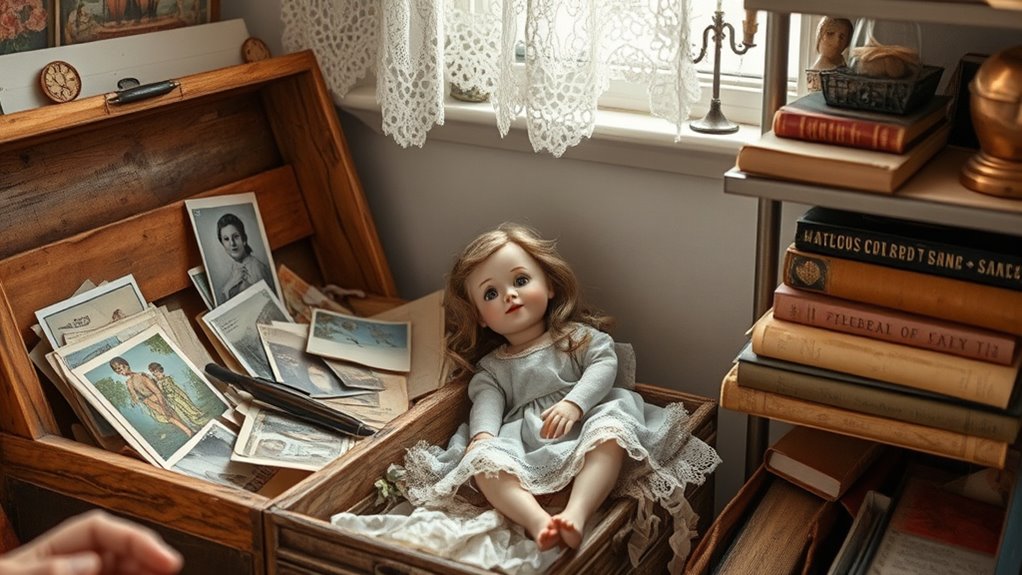
Recognizing the Sentimental Keeper begins with understanding how emotional attachments influence their clutter habits. You hold onto possessions because they connect you to meaningful memories or loved ones. Discarding these items feels like losing a part of your history, often bringing guilt or sadness. You may find it difficult to let go, even when space is limited or the items no longer serve a practical purpose. Instead of holding everything, try selecting a few representative pieces that truly embody those memories. Photograph other items to preserve the moment without keeping the physical object. This approach helps balance emotional attachment with practical needs, allowing you to honor your memories without letting clutter take over your space. Incorporating emotional needs into your decluttering process can make it easier to make decisions and reduce feelings of loss. Recognizing this pattern is the first step toward decluttering effectively.
Understanding the Bargain Hoarder Mindset
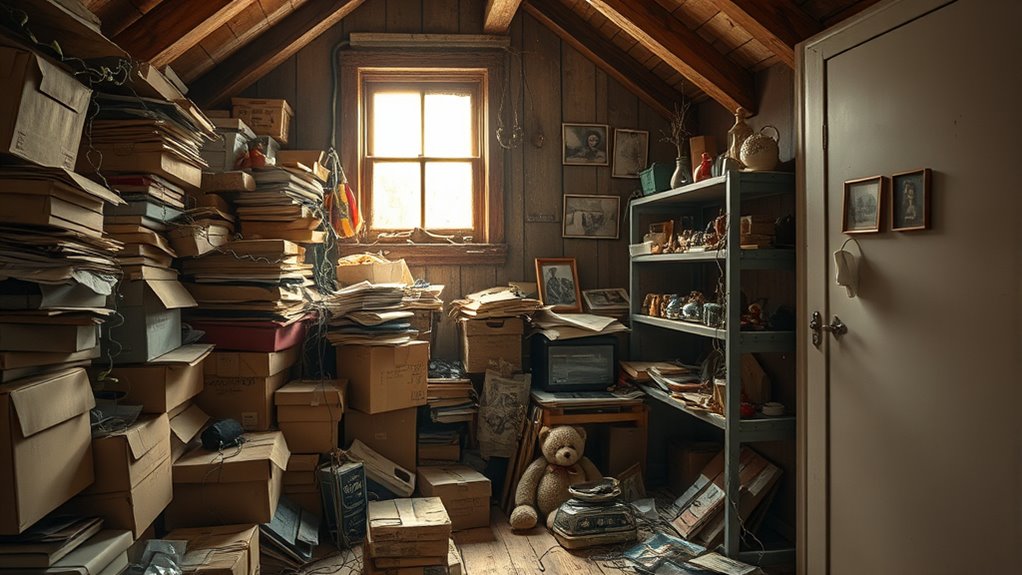
You might find yourself holding onto inexpensive items because you see their low cost as a reason to keep them, even if you don’t need them. Guilt about wasting money can make it hard to let go, but recognizing that the true value lies in usefulness can help shift your mindset. Donating duplicates or items that no longer serve you can ease guilt and make space for what truly matters. Focusing on cost-effectiveness can help you prioritize items that genuinely enhance your life rather than simply accumulating possessions.
The Value of Low-Cost Items
Many bargain hoarders find it hard to part with low-cost items because they believe every cent spent holds value, regardless of how much use they actually get. They see these items as small investments that shouldn’t be discarded, even if they’re rarely used or outdated. This mindset can lead to accumulating clutter in the name of saving money. You might convince yourself that since the item was inexpensive, tossing it feels like wasting money, but the real cost is the space it takes up. Recognizing that low-cost items often have limited practical value helps shift your perspective. Instead of holding onto duplicates or unused purchases, consider donating or recycling them. This way, you free up space while honoring your intention to be economical. Embracing minimalist principles can further help in reducing unnecessary clutter and creating a more organized living space.
Overcoming Guilt About Waste
Holding onto low-cost items often stems from a strong sense of guilt about wasting money, making it hard to part with possessions even when they no longer serve a purpose. To overcome this, shift your focus from the price paid to the item’s current utility and value. Remember:
- The true worth lies in how you use items, not their purchase price
- Donating duplicates can help others and free your space
- Recognizing that keeping everything isn’t necessary for security
- Letting go of extras reduces clutter and mental load
- Incorporating cost-effective solutions like affordable storage options can help manage clutter without guilt
Identifying the Aspirational Minimalist
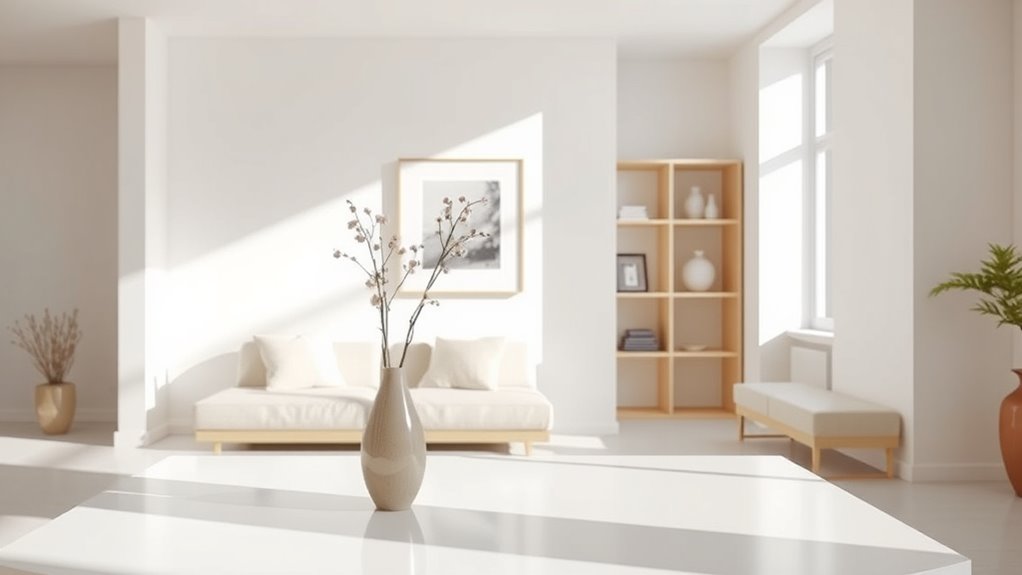
To identify if you’re an aspirational minimalist, consider whether your belongings reflect your current self or your future goals. Clinging to items that represent a future version of yourself can create unnecessary clutter and mental distraction. Focusing on your present lifestyle and passions helps you make clearer decisions about what truly belongs in your space. Understanding different brewing methods can also help you appreciate the value of quality over quantity in your belongings.
Future Self Reflection
Understanding your future self involves envisioning the person you want to become and aligning your possessions with that vision. To do this, reflect on your goals, passions, and values. Picture the lifestyle you aspire to and how your space should support it. Consider what items truly serve your growth and happiness. Ask yourself:
- Are these possessions helping me achieve my goals?
- Do they reflect my current interests and passions?
- Will I still value these items in the future?
- How do these belongings contribute to my sense of well-being?
Exploring high-quality brewing capabilities can help you create a comfortable and enjoyable space that aligns with your aspirations.
Present Lifestyle Alignment
Aligning your possessions with your present lifestyle means focusing on what truly supports your current values, interests, and daily routines. As an aspirational minimalist, your goal is to keep items that reflect your current self and immediate needs, not future fantasies. Take a moment to assess whether your craft supplies, workout gear, or clothing truly serve your current interests. If you’re holding onto items for a future version of yourself, consider whether those goals are still relevant today. Let go of possessions that no longer align with your present passions or daily life. By doing so, you create space for what truly matters now, reduce mental clutter, and foster a sense of freedom rooted in living authentically in the present moment. Recognizing your clutter personality can help tailor your approach to decluttering and maintaining a space that supports your lifestyle.
Spotting the Security Keeper Tendencies
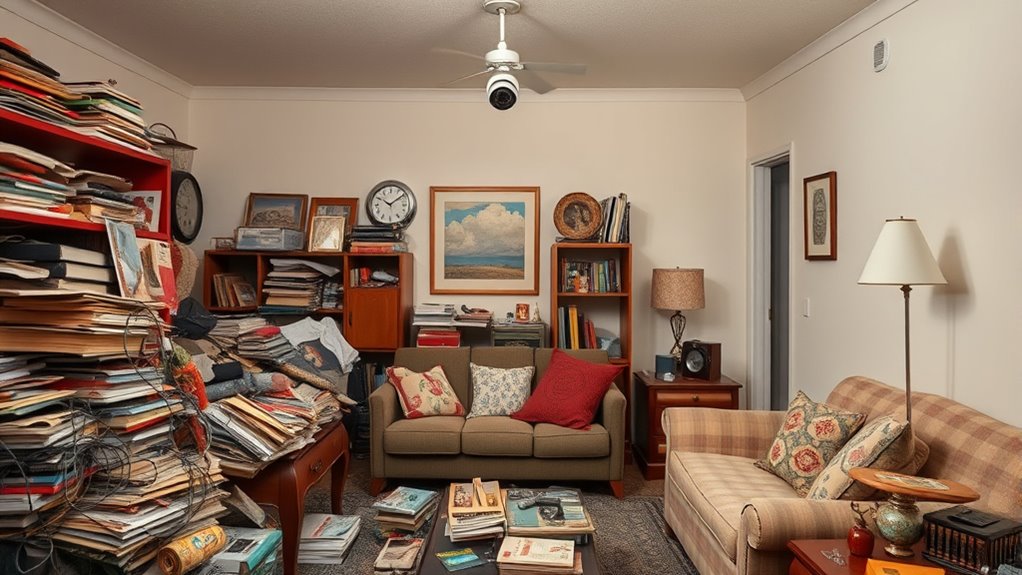
Spotting the Security Keeper tendencies involves paying close attention to behaviors that reveal a need for control and reassurance through excess possessions. You may notice someone hoarding backups, duplicates, or emergency supplies, even when unnecessary. They often feel uneasy about discarding items, fearing they might need them later. These tendencies include:
- Maintaining large quantities of backups or duplicates
- Hoarding supplies beyond practical use
- Exhibiting anxiety around disposal or reduction
- Creating elaborate systems to organize and control possessions
This behavior stems from a desire for safety and stability, not necessarily practical necessity. Recognizing these signs helps you understand that their accumulation is driven by a need for reassurance rather than convenience or sentimentality. Understanding risk management strategies and establishing limits can help address these tendencies and foster trust in the process of reducing excess.
The Traits of the Happy Heaper
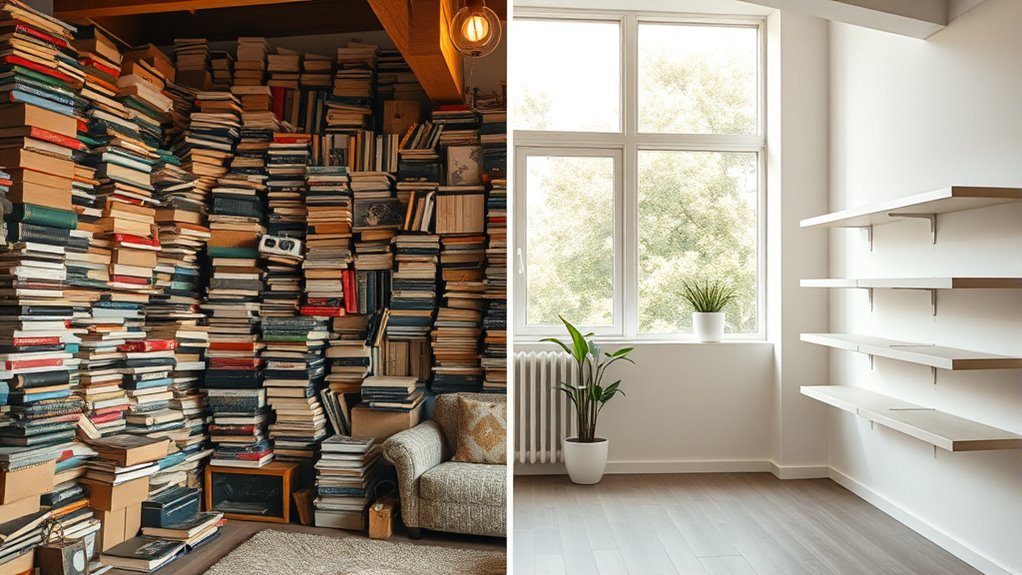
The traits of the Happy Heaper often go unnoticed because their clutter is integrated into their daily routines and organizational systems. You may feel in control because your possessions serve a purpose within your busy life. Your clutter isn’t disorderly to you; it’s a part of a system that helps manage multiple projects, priorities, and social commitments. You might delay decluttering, waiting for the right moment or a clear schedule, but you rarely feel overwhelmed or stressed by your environment. Your active mind and multitasking habits allow you to maintain awareness of where everything is, even if others see chaos. While it might seem like clutter is a problem, for you, it’s a reflection of your dynamic, engaged life. You thrive in a space that supports your varied pursuits. Incorporating seasonal checklists for cleaning and organizing can help you maintain your system without feeling overwhelmed.
How to Address Emotional Clutter Patterns
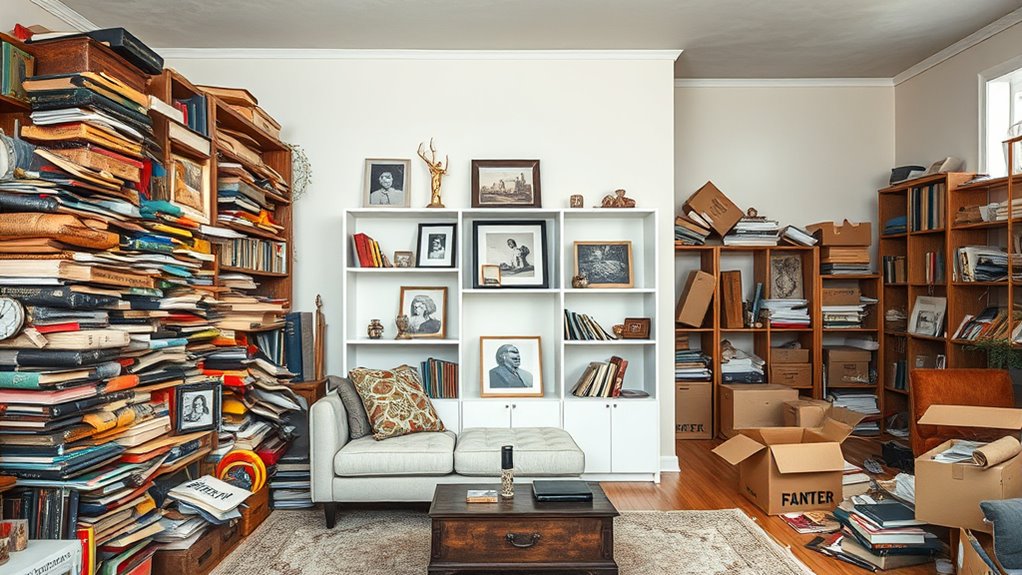
Addressing emotional clutter patterns begins with acknowledging the deep connection you have to certain possessions. Recognize that these items often represent memories, identity, or comfort, making letting go difficult. To manage this, consider:
- Selecting a few meaningful items to keep and photographing others to preserve memories
- Setting clear limits on sentimental possessions to prevent overwhelm
- Reflecting on whether an item truly serves your current well-being
- Practicing self-compassion during the decluttering process to reduce guilt
Frequently Asked Questions
How Can I Balance Sentimental Attachment With Practical Clutter Management?
You can balance sentimental attachment with practical clutter management by selecting only the most meaningful items to keep. Take photos of other treasured possessions to preserve memories without physical clutter. Set limits on sentimental items and regularly reassess what truly matters. Focus on keeping items that evoke positive feelings and serve a purpose, allowing you to honor your memories while maintaining a neat, functional space.
What Strategies Work Best for Overcoming Guilt About Discarding Items?
Guilt can feel like a heavy backpack you carry around, making decluttering tough. To lighten the load, remind yourself that letting go doesn’t mean losing memories; it’s about freeing space for new experiences. Focus on keeping meaningful items, and photograph or journal about others. Celebrate your progress, and remember, you’re crafting a space that reflects who you are now, not who you were yesterday.
How Do I Identify Which Possessions Truly Reflect My Current Self?
To identify possessions that truly reflect your current self, start by asking whether each item aligns with your present interests, goals, and lifestyle. Keep only what serves a purpose or sparks genuine joy now. Be honest about what no longer fits or resonates with you. Trust your instincts, and don’t hesitate to let go of items tied to your past self that no longer represent who you are today.
What Are Effective Ways to Reduce Emotional Attachment to Keepsakes?
Imagine your emotional attachments as delicate vines wrapping around treasured keepsakes. To free yourself, start by photographing each item, capturing its essence without physical weight. Then, choose a few meaningful pieces to keep, and gently disentangle the vines. Focus on what truly sparks joy or memories, and let go of the rest. This process helps you preserve your stories while creating space for new chapters to grow organically.
How Can I Prevent Future Accumulation of Sentimental or Emotional Clutter?
To prevent future accumulation of sentimental clutter, set clear limits on keepsakes and regularly review what truly matters. Take photos of items you want to remember but don’t need physically. Practice mindful purchasing by asking if an item genuinely adds value or evokes meaningful memories. Focus on creating experiences over possessions, and develop routines for periodic decluttering, ensuring your space reflects your current priorities and emotional well-being.
Conclusion
You might find yourself leaning toward one clutter personality, but the truth is, understanding your tendencies can unleash emotional freedom. Many believe clutter is just about space, yet it often masks deeper feelings—security, nostalgia, or aspiration. When you recognize these patterns, you gain the power to let go and create a space that truly reflects who you are. Embrace this journey; freeing yourself from clutter can surprisingly set your spirit free.