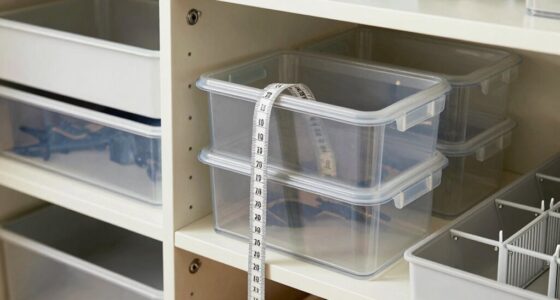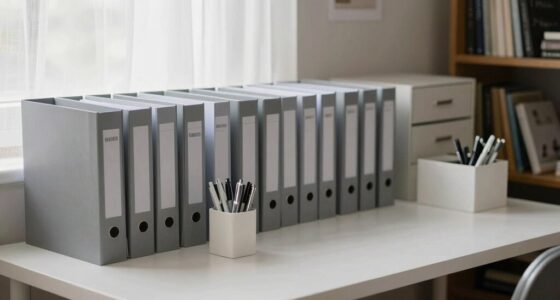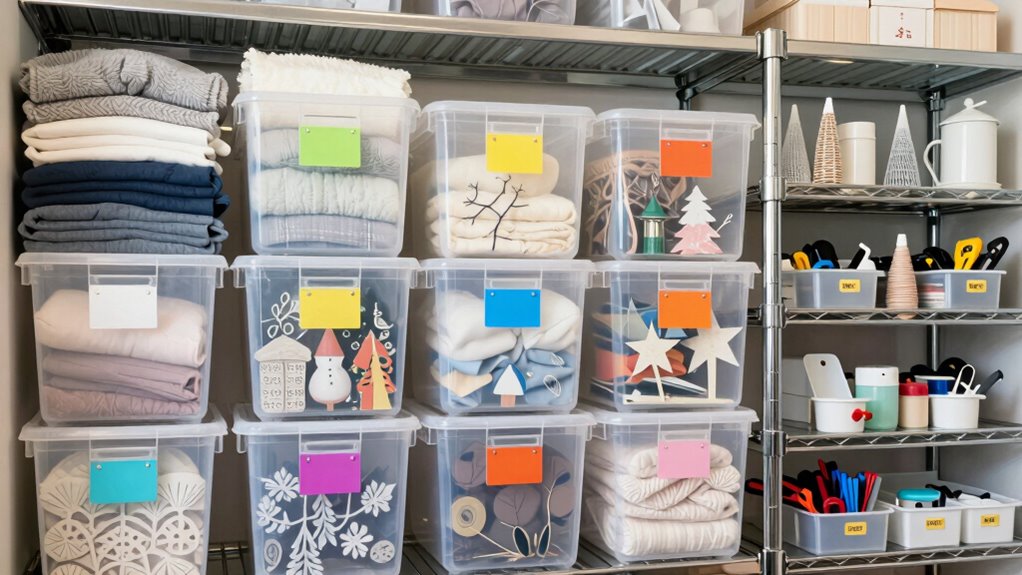

Start by setting aside dedicated time to tackle the space, breaking it into smaller, manageable chunks. Use organizational tools like clear containers, labels, and stackable units to improve visibility and access. Be honest about what you really need and discard or donate items that no longer serve a purpose. Stay consistent with routine decluttering and return items to designated spots. Keep exploring these strategies to transform even the most intimidating storage areas into helpful, organized spaces.
Open a free Amazon Business account
Business pricing, bulk buying and tax-exempt orders.
As an affiliate, we earn on qualifying purchases.
Key Takeaways
- Start with small sections to reduce overwhelm and build momentum gradually.
- Use clear, labeled containers to quickly identify and access essential items.
- Prioritize discarding or donating items you haven’t used in a long time.
- Implement vertical storage solutions to maximize limited space.
- Establish regular maintenance routines to keep the area organized and prevent buildup.
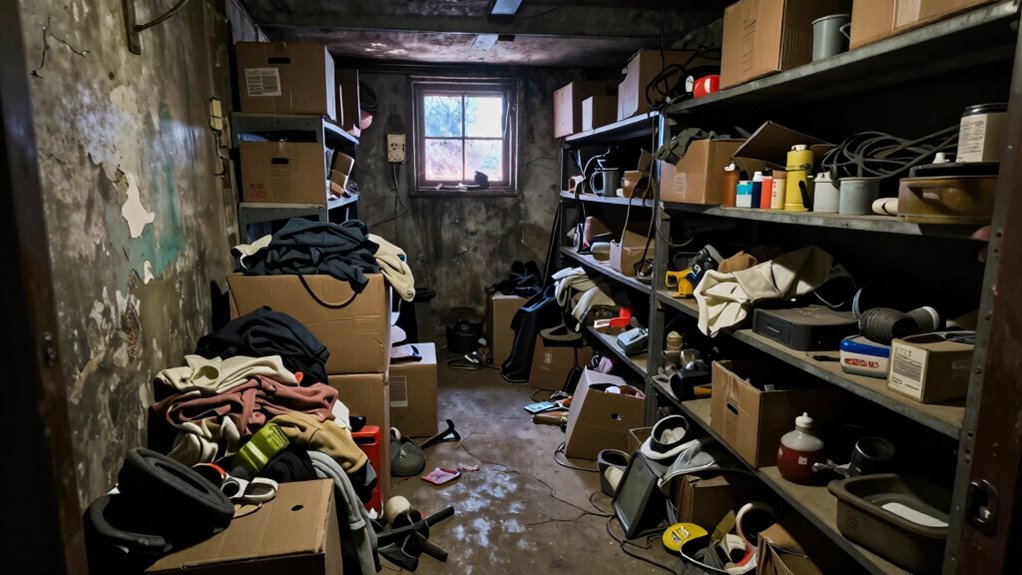
Many of us have that one storage area—hidden away and avoided at all costs—that’s filled with clutter and forgotten items. It’s the space you dread opening, knowing it’ll be a chaotic mess that’s hard to navigate. But tackling this area doesn’t have to be overwhelming. With the right approach, you can transform it into a functional, organized space you’re proud of. The key is adopting a decluttering mindset and equipping yourself with effective organizational tools.
Start by setting aside dedicated time to confront the mess. Don’t try to do everything at once; instead, break the task into manageable chunks. As you begin, remind yourself that decluttering is a process of making space for what truly matters and letting go of what no longer serves a purpose. This mindset shift helps reduce emotional attachment to items that just take up space. With each item you pick up, ask yourself, “Do I need this? When was the last time I used it?” If the answer is no or it’s been ages, it’s time to part ways.
Gather some organizational tools before you start sorting. Bins, baskets, and clear storage containers are invaluable for creating visual boundaries. Label everything clearly so you can easily identify contents later. Use stackable storage units to maximize vertical space, and consider installing hooks or pegboards for hanging items. These tools help keep smaller objects contained and prevent clutter from taking over again. Additionally, effective storage solutions can make a significant difference in maintaining an organized space. Understanding storage organization principles can further enhance your decluttering efforts. Incorporating smart storage techniques can also help optimize space and improve accessibility. Exploring modern storage technology, such as modular or customizable systems, can add flexibility to your organization plan.
As you work through the space, be ruthless about what you keep. If an item is broken, outdated, or redundant, it’s better to let it go. Donating or recycling what you no longer need not only clears space but also helps others. Be honest with yourself about the value each item holds; if it doesn’t add to your life, it doesn’t belong in your storage area. Remember, the goal isn’t perfection but creating a space that’s easy to access and maintain.
Once you’ve decluttered and organized, develop a simple maintenance routine. Regularly revisit the area—perhaps every few months—to ensure it stays tidy. When you put things away, do it with intention, using your organizational tools to keep everything in its place. Over time, this approach transforms a dreaded space into one that’s practical and neat. With patience and a decluttering mindset, you’ll find that opening your storage area becomes less of a chore and more of a satisfying accomplishment.
clear plastic storage containers with lids
As an affiliate, we earn on qualifying purchases.
As an affiliate, we earn on qualifying purchases.
Frequently Asked Questions
How Often Should I Declutter Rarely Opened Storage Spaces?
You should declutter rarely opened storage spaces at least once a year. During seasonal cleaning, you can evaluate what’s still useful and what’s not. Use this opportunity to donate items you no longer need, exploring donation options like charities or shelters. Regular decluttering prevents buildup and makes it easier to access essentials, saving you time and stress when you do need to open these hidden spaces.
What Tools Are Best for Deep Cleaning Cluttered Storage Areas?
Did you know that cluttered storage spaces can hold up to 40% more dust and allergens? To effectively deep clean, gather essential cleaning supplies like microfiber cloths, a vacuum with attachments, and all-purpose cleaners. Organizational tools such as storage bins, labels, and drawer dividers help keep everything neat afterward. Use brushes or handheld vacuums for hard-to-reach spots, ensuring your storage area is thoroughly sanitized and organized.
How Can I Stay Motivated to Declutter These Spaces?
To stay motivated, remind yourself of the benefits of decluttering, like a cleaner, more organized space. Recognize emotional attachment to certain items and develop a decluttering mindset that values practicality over sentimentality. Set small, achievable goals and celebrate each success. Visualize how much easier it’ll be to find what you need and enjoy your refreshed space, which keeps you inspired to keep going.
Are There Safety Tips for Handling Old or Hazardous Items?
Handling old or hazardous items requires careful safety precautions. Always wear gloves and a mask to protect yourself from hazardous materials like chemicals or mold. Keep a sturdy, ventilated container nearby to store these items temporarily. If you’re unsure about disposal, contact local hazardous waste facilities. Remember, safety is your top priority—avoid rushing, and take your time to handle each item carefully to prevent accidents or exposure.
Should I Hire Professional Organizers for Difficult Storage Areas?
Hiring professional organizers can be a smart move for difficult storage areas. They bring expert DIY tips and an organizer’s benefits, helping you efficiently sort, categorize, and optimize space. If you feel overwhelmed or unsure where to start, a pro can save you time and frustration. Plus, their experience guarantees safe handling of hazardous items and long-lasting solutions, making your storage areas more accessible and less stressful to manage.
As an affiliate, we earn on qualifying purchases.
Conclusion
Remember, a cluttered space is a cluttered mind. By tackling those storage areas you avoid, you’ll create a more peaceful, functional home. Take it one step at a time, and don’t be afraid to let go of things you no longer need. As the saying goes, “A clean house is a sign of a wasted life”—so why not reclaim your space and enjoy the freedom that comes with decluttering? You’ve got this!
stackable storage bins for closet
As an affiliate, we earn on qualifying purchases.
As an affiliate, we earn on qualifying purchases.
wall-mounted hooks and pegboards
As an affiliate, we earn on qualifying purchases.
As an affiliate, we earn on qualifying purchases.
NFL season / tailgating Picks
team gear
As an affiliate, we earn on qualifying purchases.