
TL;DR

Get the little things that make your day delivered free with Prime
- Fast, free delivery on millions of items
- Prime Video, Amazon Music and more included
- Member-only deals all year
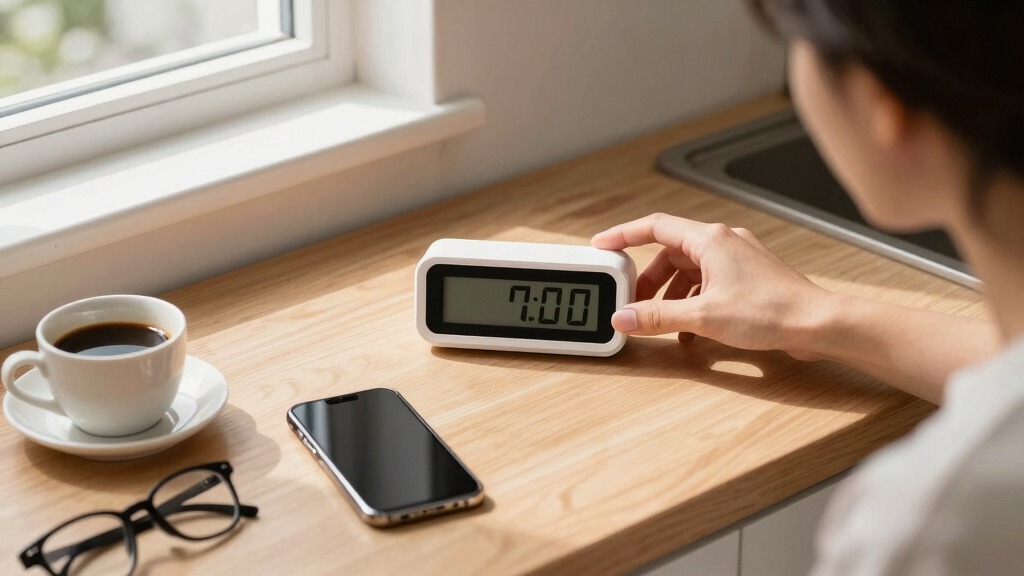
The US Congress is debating a bill to adopt permanent daylight saving time, removing the need to change clocks twice a year. The move aims to provide more evening daylight but raises questions about health and safety impacts.
The U.S. Congress is actively considering the Sunshine Protection Act, which would make daylight saving time permanent nationwide. The legislation has gained significant support and is currently progressing through legislative channels, with a full congressional vote anticipated soon.
The proposed legislation, known as the Sunshine Protection Act, has gained bipartisan support in both the House and Senate. It would require states to observe permanent daylight saving time, effectively ending the practice of switching clocks twice annually. The bill has passed a key committee vote and is now awaiting full congressional approval.
Supporters argue that making daylight saving time permanent could improve public health, reduce energy consumption, and promote outdoor activities. Several states, including Florida and California, have already passed their own laws to adopt permanent daylight saving time, but federal legislation is needed for nationwide implementation.
Opponents and some health experts have raised concerns about potential negative effects, such as increased risk of sleep disorders and adverse impacts on children’s health. The Department of Transportation has indicated it is reviewing the bill’s implications before making a formal recommendation.
Impacts of a Nationwide Shift to Permanent Daylight Saving Time
If enacted, the legislation would significantly alter Americans’ daily routines by providing more evening daylight year-round. This change could influence energy usage, outdoor recreation, and even public safety, but also raises questions about the potential health impacts of prolonged evening light and reduced morning darkness. The move reflects a broader societal debate about how best to align our clocks with modern lifestyles.
As an affiliate, we earn on qualifying purchases.
Historical and Legislative Background of Daylight Saving Time
Daylight saving time was first introduced during World War I and later expanded during World War II as a means to conserve energy. The practice was formalized in the U.S. with the Uniform Time Act of 1966, which standardized clock changes nationwide. Over the years, there have been periodic debates and legislative proposals to make daylight saving time permanent, but none have successfully been enacted at the federal level until now.
Several states have independently passed laws to stay on daylight saving time year-round, but these require federal approval to take effect nationally. The current legislative push aims to unify the practice across all states, pending congressional approval.
“We are reviewing the bill’s implications and will provide recommendations once the legislative process concludes.”
— Department of Transportation spokesperson
alarm clock with sunrise simulation
As an affiliate, we earn on qualifying purchases.
As an affiliate, we earn on qualifying purchases.
Unresolved Questions About Health and Implementation
It remains unclear how widespread adoption of permanent daylight saving time will impact public health, particularly regarding sleep patterns and circadian rhythms. The Department of Transportation has yet to issue a final recommendation, and some health experts warn of potential risks associated with prolonged evening daylight. Additionally, the exact timeline for nationwide implementation, if the bill passes, has not been specified.
As an affiliate, we earn on qualifying purchases.
Next Steps in Legislative and Policy Review Processes
The bill is expected to move to a full Senate and House vote in the coming months. If approved, it will require the President’s signature to become law. Meanwhile, agencies like the Department of Transportation will continue their review to assess health and safety impacts before providing formal guidance on implementation. Public hearings and expert consultations are also anticipated as part of this process.
As an affiliate, we earn on qualifying purchases.
Key Questions
What is the main purpose of the daylight saving time legislation?
The legislation aims to make daylight saving time permanent across the U.S., eliminating the biannual clock changes to provide more evening daylight throughout the year.
How would permanent daylight saving time affect daily life?
It would result in longer evening daylight hours, which could benefit outdoor activities, reduce energy use, and potentially improve mental health, though some health concerns remain.
When could the legislation be enacted?
If approved by Congress and signed by the President, implementation could occur within the next year or two, depending on regulatory and state-level adjustments.
Are all states required to adopt permanent daylight saving time?
Yes, federal legislation would standardize the practice nationwide, although some states already have laws to observe permanent daylight saving time if federal approval is granted.
What are the main concerns against making daylight saving time permanent?
Health experts warn about potential sleep disruption, increased risk of circadian rhythm disorders, and impacts on children’s health due to prolonged evening light.
Source: google-trends
Halloween Picks
halloween
As an affiliate, we earn on qualifying purchases.