

To declutter without creating a bigger mess, start small and focus on one area at a time, like a drawer or shelf. Gather boxes or bags for items you’re keeping, donating, or tossing, and sort items into categories to stay organized. Keep your workspace tidy as you go to prevent new messes. Use simple containers and labels for long-term success. Want to discover more tips and strategies? Keep going to learn how to make this process smoother and more effective.

Get the little things that make your day delivered free with Prime
- Fast, free delivery on millions of items
- Prime Video, Amazon Music and more included
- Member-only deals all year
Key Takeaways
- Start with small, manageable areas to prevent overwhelming messes early on.
- Use designated boxes or bags for keep, donate, and toss to organize as you go.
- Maintain a tidy workspace during decluttering to avoid spreading clutter.
- Visualize the space beforehand to identify clutter hotspots and plan efficiently.
- Set a timer for focused sessions, ensuring steady progress without creating chaos.
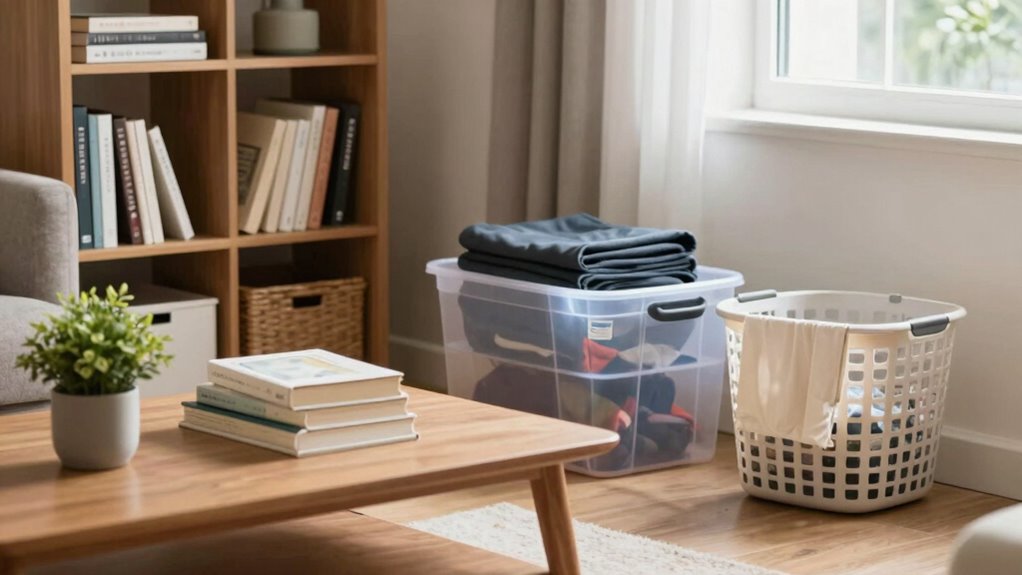
Are you overwhelmed by clutter and unsure where to start? You’re not alone. Decluttering can feel like an insurmountable task, especially if your space is packed with items. The key is to approach it with the right mindset and effective organizing techniques that prevent making a bigger mess before you see progress. The first step is to adopt a minimalist mindset—focusing on quality over quantity and learning to let go of things you no longer need or use. This shift in perspective makes the process smoother and more manageable, because you’re no longer trying to tackle everything at once.
Start small. Instead of diving into an entire room, pick one area like a drawer or a shelf. Gather some boxes or bags for items you want to keep, donate, or toss. As you work, use simple organizing techniques—like sorting items into categories—which help prevent clutter from spreading out and becoming overwhelming. Keep your workspace clear and tidy as you go, so you’re not adding to the mess with misplaced objects. This prevents the common mistake of creating a bigger mess before things get better.
To maintain momentum, set a timer for 15-20 minutes and focus solely on that space. Short, concentrated intervals help keep you motivated and prevent burnout. As you sort, ask yourself if each item adds value to your life or if it’s just taking up space. If it’s the latter, let it go. Remember, your goal is to create a clean, functional space, not just move clutter around. This is where a minimalist mindset truly shines—by making intentional choices about what stays and what goes.
Additionally, considering drone technology and its innovations can inspire a fresh perspective on organization—viewing your space from a new angle can reveal hidden clutter or better ways to utilize your environment. Incorporating modern tools and innovative solutions can also streamline the decluttering process and make maintaining your space easier in the long run. Using digital organization apps or smart storage options can help keep track of your belongings and prevent future clutter buildup. Sometimes, visualizing your space from a bird’s-eye view can help identify areas that need better organization or reveal clutter that’s harder to see from ground level. In fact, employing visualization techniques can enhance your ability to see the big picture and plan accordingly. As you progress, be mindful of your organizational techniques. Use containers, dividers, or labels to keep similar items together. This not only makes your space look more orderly but also makes it easier to find what you need later. Avoid the temptation to pile items or shove things into corners, which often leads to bigger messes down the line. Instead, focus on creating a system that’s easy to maintain.
Finally, celebrate your small wins. Each cleared space is a step toward a more peaceful environment. Remember, decluttering isn’t about perfection; it’s about making your space work for you. Keep a minimalist mindset at the core, use effective organizing techniques, and break the process into manageable chunks. Before you know it, you’ll have transformed your cluttered chaos into a clean, calm space—without the mess that usually comes with trying to do everything at once.
small storage bins for decluttering
As an affiliate, we earn on qualifying purchases.
As an affiliate, we earn on qualifying purchases.
Frequently Asked Questions
How Do I Start Decluttering if I Feel Overwhelmed?
To start decluttering when overwhelmed, adopt a decluttering mindset that emphasizes small, manageable steps. Break your space into zones and focus on one area at a time. Use motivation strategies like setting timers or rewarding yourself for progress. Remember, decluttering is a process, not a one-time task. Stay patient, celebrate small wins, and keep your goal in mind—creating a calmer, more organized environment that feels achievable.
What Tools or Supplies Are Best for Quick Decluttering?
Think of your tools as your decluttering superheroes. Grab sturdy storage solutions like bins and baskets to quickly sort items. Keep cleaning supplies handy—microfiber cloths, all-purpose cleaner, and trash bags—to clear clutter swiftly. These supplies help you swoop in and tidy up efficiently, turning chaos into order. With the right tools at your side, you’ll tackle clutter like a pro and enjoy a more organized space in no time.
How Do I Handle Sentimental Items During Decluttering?
When handling sentimental items, acknowledge your sentimental attachment but avoid emotional decision-making. Take time to reflect on each item’s significance, asking yourself if it truly adds value to your life now. Consider photographing or creating a digital archive of meaningful items before letting them go. This way, you honor your feelings without cluttering your space, making decluttering more manageable and emotionally balanced.
What Is the Ideal Time of Day to Declutter Effectively?
The ideal time to declutter effectively is during your morning routine or as part of your evening ritual. In the morning, you’re more energized and focused, making it easier to sort through items efficiently. In the evening, decluttering helps you wind down and create a calm space for the next day. Choose a time that fits your schedule, so decluttering becomes a consistent, manageable habit.
How Can I Maintain a Clutter-Free Space Long-Term?
To maintain a clutter-free space long-term, you should implement effective storage solutions and organization tips. Regularly assess your belongings and donate or discard items you no longer need. Use bins, shelves, and containers to keep everything in its designated place. Make it a habit to tidy up daily, and schedule weekly or monthly decluttering sessions. Consistency is key—stay disciplined, and your space will stay organized effortlessly.
As an affiliate, we earn on qualifying purchases.
Conclusion
Now that you’ve learned how to declutter without creating chaos, remember that every small step is like adding a brushstroke to a masterpiece. Stay patient and keep your focus steady—soon, your space will shine brighter than a diamond. Decluttering isn’t about chaos; it’s about creating harmony from the clutter. With each organized corner, you’re turning your home into a sanctuary you’ll love to return to. Keep going—you’re carving out your own peaceful oasis.
As an affiliate, we earn on qualifying purchases.
digital organization app for home
As an affiliate, we earn on qualifying purchases.
As an affiliate, we earn on qualifying purchases.
NFL season / tailgating Picks
team gear
As an affiliate, we earn on qualifying purchases.