

Letting go of gifts and items you’ve invested money in can trigger feelings of guilt due to emotional ties, cultural expectations, and fears of waste. You might feel responsible for memories or worry about offending others, making it hard to part with possessions. Recognizing these emotional and cultural influences helps you approach decluttering mindfully. Understanding how to overcome resistance and embrace the benefits can make letting go easier—if you explore further, you’ll discover helpful strategies to ease this process.
Key Takeaways
- Recognize emotional attachment and reframe the value of items to prioritize well-being over possessions.
- Set small, manageable goals for decluttering to reduce overwhelm and guilt.
- Focus on gratitude for the memories or purpose behind items rather than ownership.
- Remind yourself that letting go creates space for growth and new opportunities.
- Use mindful decision-making techniques to assess whether items truly serve your current needs.
Understanding the Roots of Decluttering Guilt

Understanding the roots of decluttering guilt requires recognizing the complex psychological factors that influence why you hold onto certain possessions. One key factor is emotional attachment; you may associate items with memories, people, or achievements, making it hard to let go. Guilt about wasted money or effort invested can create a sense of obligation to keep things, fearing regret if discarded. External pressures or societal expectations, like gift-giving norms, can also trigger resistance, as you may feel disrespecting others or wasting their generosity. Additionally, your cognitive style plays a role—hesitant or indecisive individuals often experience more negative feelings about clutter. Recognizing these underlying psychological influences helps you understand why decluttering feels so challenging and sets the foundation for healthier decision-making. Free Floating can also contribute to difficulty in decluttering, as it promotes a mindset of openness and flexibility that may conflict with the desire to control possessions.
The Psychological Impact of Holding Onto Sentimental Items

Holding onto sentimental items can deeply influence your emotional well-being, often creating a complex mix of comfort and distress. These possessions serve as tangible links to meaningful memories, providing a sense of identity and continuity. However, clinging to them can also heighten emotional burdens, making it difficult to let go due to fear of losing those cherished moments. The more attached you are, the more likely you’ll experience feelings of guilt or sadness when considering discarding these items. This emotional connection can lead to procrastination, as you avoid confronting the underlying feelings. Over time, holding onto sentimental objects may reinforce a sense of stagnation or prevent personal growth, trapping you in the past instead of embracing the present. Additionally, the contrast ratio of your emotional attachments can influence how vividly those memories surface, affecting your willingness to release them.
How Cultural Norms Influence Our Decluttering Decisions

Cultural norms around gift-giving and possessions shape how you decide what to keep or discard. Social pressures and shared values can make it harder to let go of items, even if they no longer serve you. Understanding these influences helps you navigate decluttering without feeling guilty or pressured to hold onto things. Recognizing the role of market trends in the valuation of items can also inform your decisions and reduce emotional attachment.
Gift-Giving Expectations
Gift-giving expectations are deeply rooted in societal norms that shape how you perceive and handle presents. These norms often create pressure to accept and keep gifts, even if they don’t serve you or align with your needs. You might feel obligated to display gratitude by holding onto items, fearing social judgment or disappointment if you discard them. Cultural customs can also reinforce the idea that a gift’s worth reflects your appreciation, making it harder to let go. These expectations can lead to guilt, as you struggle with balancing respect for the giver and your desire for an organized space. Understanding that these norms are socially constructed helps you challenge unnecessary attachment and prioritize your well-being over external pressures. Recognizing the influence of cultural norms on your decluttering decisions empowers you to set healthy boundaries and focus on what truly benefits your lifestyle.
Cultural Value of Possessions
Cultural norms deeply shape how you value and prioritize your possessions, influencing your decluttering decisions in subtle but significant ways. In many cultures, possessions symbolize status, success, or personal identity, making it difficult to part with items that represent achievement or social standing. Gifts are often seen as meaningful tokens, not just objects, which heightens emotional attachment and guilt when considering disposal. Additionally, cultural beliefs about respect and obligation can pressure you to hold onto certain items out of loyalty or tradition. These societal expectations can create internal conflicts, making it harder to declutter without feeling like you’re disrespecting cultural values or personal history. Recognizing how cultural norms influence your attachment helps you make more mindful choices about what to keep and what to let go. For example, understanding the significance of possessions in different cultures can help you navigate your decluttering process with greater awareness and sensitivity.
Social Pressure to Keep
Many of us feel compelled to hold onto possessions because of the social expectations that surround them. Cultural norms often emphasize the importance of generosity, respect, and obligation, making it hard to discard gifts or purchases without feeling guilty or rude. You might worry about offending others or seeming ungrateful if you let go of something given or bought out of obligation. Social pressure can also come from family or friends who value keeping possessions for tradition or sentimental reasons. These influences create an internal conflict: you want an organized space but feel constrained by societal norms that encourage retention. Recognizing these pressures helps you distinguish between what’s truly meaningful and what’s a reflection of external expectations. Being aware of Floating on Water and other calming activities can help you find clarity and reduce the stress associated with decluttering. This awareness empowers you to make decluttering decisions aligned with your well-being.
Recognizing Emotional Attachments to Purchased and Gifted Items

You might find it hard to let go of certain items because of the emotional significance they hold, whether from gifts or purchases. These possessions often carry sentimental value or trigger guilt about waste or spending. Recognizing these attachments is the first step toward making mindful decluttering decisions. Understanding the emotional impact of items can also be supported by awareness of auditory processing challenges, which may influence how we perceive and attach meaning to our possessions.
Emotional Significance of Items
Items often carry emotional significance that makes letting go difficult, especially when they’re purchased or gifted. You might hold onto a sweater because it reminds you of a loved one or keep a souvenir because it marks a special trip. Recognizing this emotional connection is key to decluttering. Consider these common attachments:
- Sentimental gifts from family or friends that symbolize love or shared memories.
- Items bought after a significant life event, like a reward or milestone.
- Heirlooms or keepsakes that carry family history or personal identity.
Being aware of the emotional significance of these objects helps you understand why they hold such a strong grip on your space and feelings. These objects serve as more than just physical possessions—they connect you to feelings, experiences, and relationships. Acknowledging this emotional significance helps you make mindful decisions about what to keep and what to let go.
Guilt and Sentimental Value
Guilt often intensifies when you recognize the sentimental value attached to your possessions, making it harder to let go. You may feel responsible for preserving memories or honoring relationships tied to these items. This emotional weight creates a barrier to decluttering, as you associate discarding with loss or disrespect. To understand this, consider the following:
| Sentimental Value | Emotional Impact | Action Approach |
|---|---|---|
| Memories of loved ones | Guilt, attachment | Reflect on the memory, then decide if keeping honors it |
| Gifts with meaning | Responsibility, obligation | Express gratitude, then consider letting go |
| Costly purchases | Regret, waste concern | Focus on the value of experiences over possessions |
| Heirlooms | Tradition, identity | Keep selectively, honoring stories behind them |
Recognizing these emotional ties helps you detach from possessions without guilt. Additionally, understanding that emotional attachment is a natural human response can help you develop healthier ways to manage your belongings and reduce guilt associated with decluttering.
Fear of Waste
The fear of waste often keeps people holding onto purchased or gifted items long after they’ve served their purpose. You worry that discarding things means wasting money, effort, or the giver’s thoughtfulness. This emotional attachment makes it hard to let go. Here are common reasons why:
- You fear you’ll regret throwing away something valuable or meaningful later.
- You feel guilty about the money spent, seeing disposal as wasteful or disrespectful.
- You worry that getting rid of gifts might offend others or diminish their sentiment.
These feelings create a barrier to decluttering, making it seem like holding onto items is the only way to avoid waste and guilt. Recognizing this emotional tie is a pivotal step toward healthier decluttering habits.
Strategies to Overcome Resistance and Feelings of Waste

Overcoming resistance and feelings of waste requires a proactive approach that shifts your mindset from viewing decluttering as a loss to seeing it as a gain. Start by recognizing that letting go creates space for new opportunities, clarity, and peace. Break the process into small, manageable steps to reduce overwhelm and build confidence. Reframe your thoughts around the value of emotional well-being and improved living space, rather than the monetary or sentimental loss. Remind yourself that items don’t define your worth, and holding onto clutter often hampers your growth. Use techniques like gratitude for what you have, or visualize the benefits of a streamlined space. Engaging in mindful decision-making helps diminish guilt and strengthens your sense of ownership over your environment. Embracing innovative cloud solutions can serve as a metaphor for modern, efficient ways to manage your space and resources, making the decluttering process feel more aligned with sustainable practices.
The Benefits of Letting Go for Mental and Physical Well-Being
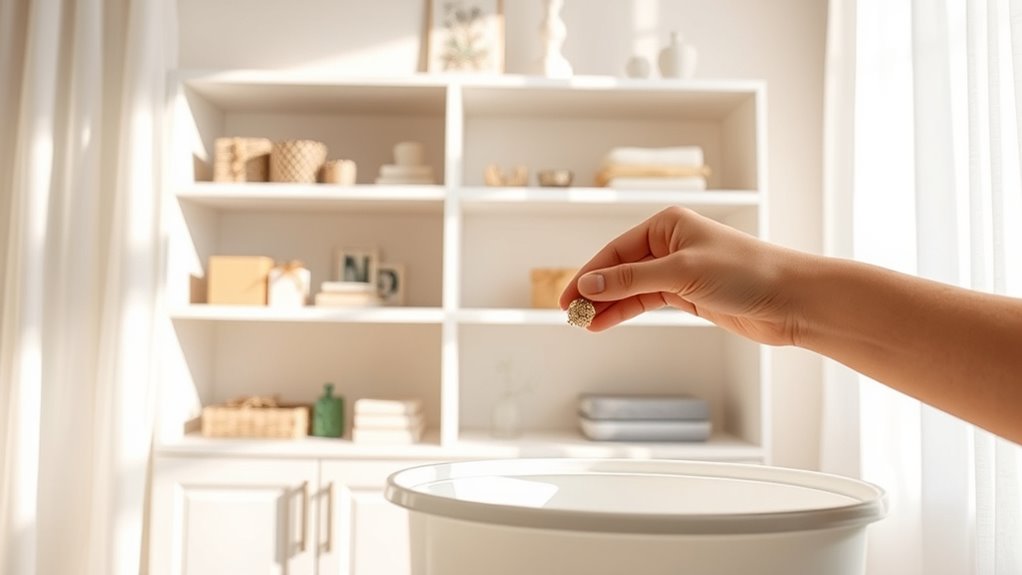
Letting go of clutter can considerably boost your mental and physical health by reducing stress and creating a more calming environment. When you clear space, you’ll notice a lighter mood and improved focus. Plus, fewer possessions mean less physical strain from cleaning and organizing. Here are some benefits: 1. Reduced stress and anxiety: An organized space lowers cortisol levels, helping you feel more relaxed. 2. Better sleep quality: Clutter-free bedrooms promote restful sleep, making you feel more refreshed. 3. Enhanced emotional well-being: Letting go boosts self-esteem and gives you a sense of control over your environment. Additionally, decluttering can also foster a sense of achievement, further contributing to your overall well-being.
Practical Steps for Mindful Decluttering of Gifts and Purchases

Practicing mindful decluttering starts with setting clear intentions and establishing small, manageable goals. Begin by identifying specific categories, like gifts or recent purchases, to focus your efforts. Next, evaluate each item honestly: ask yourself if it truly adds value or serves a purpose. If you’re emotionally attached, consider the reasons behind that feeling and whether holding onto it aligns with your well-being. Use a timer to limit decision-making sessions, preventing overwhelm. Remember, it’s okay to keep some items temporarily—set a future date to revisit them. Respect your pace, and avoid external pressures. By approaching decluttering as a mindful practice, you’re more likely to let go of guilt, create space, and foster a healthier relationship with your possessions.
Cultivating a Healthy Relationship With Material Possessions
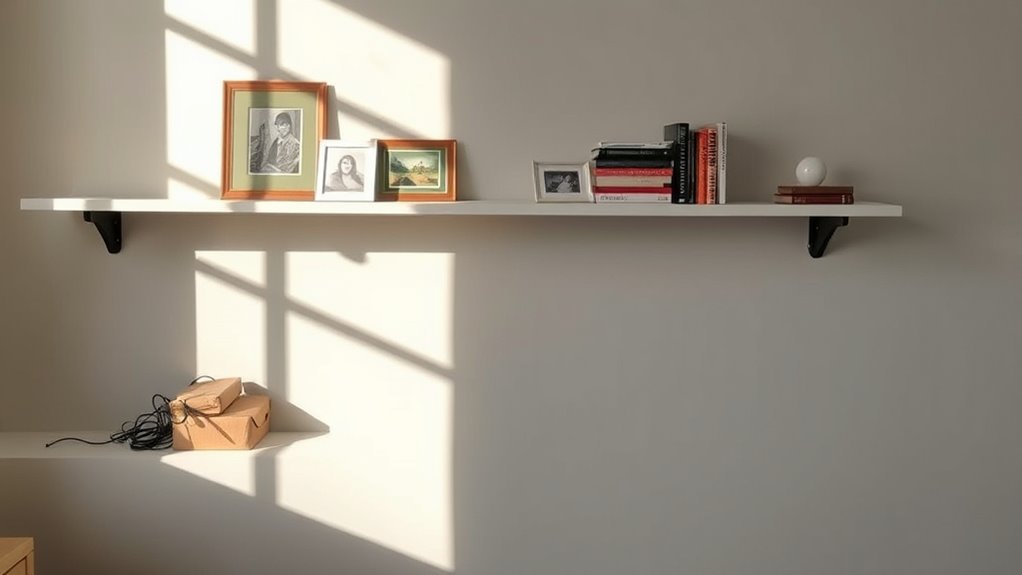
Building a healthy relationship with your material possessions involves shifting your mindset from viewing belongings as symbols of worth or obligation to seeing them as tools that support your well-being. When you focus on how items serve a purpose or bring genuine joy, decluttering becomes less about guilt and more about intentional living. Here are three ways to foster this mindset:
Shift your view of possessions from symbols of worth to tools supporting your well-being.
- Recognize the value of quality over quantity, choosing items that truly enhance your life.
- Set boundaries on new acquisitions, ensuring they align with your needs and values.
- Regularly assess possessions, keeping only what supports your goals and emotional health.
- Consider the horsepower of electric dirt bikes and how choosing versatile, efficient items can complement an active lifestyle without excess.
Frequently Asked Questions
How Can I Reduce Guilt When Discarding Gifts I Dislike?
To reduce guilt when discarding gifts you dislike, remind yourself that your well-being matters. Focus on appreciating the thought behind the gift rather than holding onto something that doesn’t serve you. Set a respectful, gentle boundary by thanking the giver mentally, then let it go with gratitude. Recognize that decluttering is an act of self-care, helping you create a space that truly reflects your needs and promotes your happiness.
What Are Effective Ways to Handle Emotional Attachment Without Feeling Guilty?
Did you know that emotional attachment often causes 60% of clutter? To handle this without guilt, start by recognizing your feelings and reframing your perspective. Focus on the benefits of decluttering, like increased space and peace of mind. Practice gratitude for the memories, then gently let go. Use small steps to build confidence, and remind yourself that prioritizing your well-being is a healthy, empowering choice.
How Does Decluttering Impact Long-Term Mental Health?
You’ll likely find that decluttering improves your long-term mental health by reducing stress, anxiety, and feelings of being overwhelmed. An organized space boosts your mood, enhances self-esteem, and helps you feel more in control. Regularly letting go of unnecessary possessions allows you to create a calmer environment, promoting better sleep and emotional resilience. Over time, you’ll notice increased clarity, improved focus, and a stronger sense of well-being.
Can Cultural Differences Affect How I Should Approach Decluttering?
Think of decluttering as steering a river with cultural currents guiding your flow. Different traditions and social norms act like these currents, influencing how you handle possessions. Respect cultural values, but stay true to your needs. You can gently steer your boat, balancing societal expectations with personal well-being. Embrace mindful decisions, and remember, it’s your journey—honor your background while creating a space that feels right for you.
What Role Does Mindfulness Play in Overcoming Decluttering Guilt?
Mindfulness helps you stay present and recognize your emotional responses to decluttering. When you practice mindfulness, you can observe feelings of guilt or attachment without judgment, making it easier to let go of items. It encourages thoughtful decision-making rather than impulsive retention. By staying aware of your motives and emotions, you can approach decluttering with compassion, reducing guilt and fostering a healthier, more intentional space.
Conclusion
Letting go of items you’ve spent money on or received as gifts can free you emotionally and physically. Remember, studies show that clutter can increase stress levels by up to 40%. By embracing mindful decluttering, you create space for what truly matters, reducing guilt and fostering well-being. Trust yourself to make thoughtful choices, and you’ll find that letting go isn’t about waste—it’s about making room for a more intentional, peaceful life.