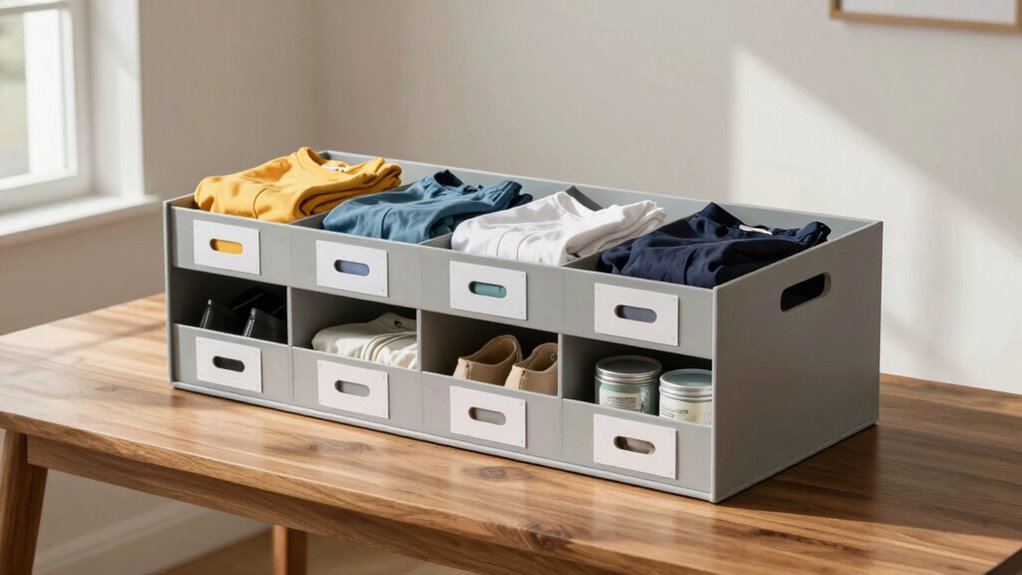

Using a donation box system makes decluttering easier because it simplifies decision-making and turns overwhelming tasks into manageable steps. You set aside items quickly by designating a box for donation, reducing stress and decision fatigue. This consistent practice promotes sustainability, encourages mindful consumption, and keeps clutter from piling up. Plus, knowing your donations help others motivates you to stay committed. Keep exploring to discover even more how this system can transform your space.

Get the little things that make your day delivered free — and shop member deals
- Fast, free delivery on millions of items
- Access to Prime Big Deal Days deals on October 6–7
- Prime Video, Amazon Music and more included
Key Takeaways
- It simplifies decluttering by providing a designated space for donation items, reducing decision fatigue.
- Promotes consistent habits through scheduled box reviews, preventing clutter buildup.
- Encourages eco-friendly practices by increasing awareness of recyclable and donation-worthy items.
- Lessens stress by streamlining decisions to “keep or donate,” making the process more manageable.
- Motivates ongoing effort by highlighting the positive impact of donations on others and the environment.
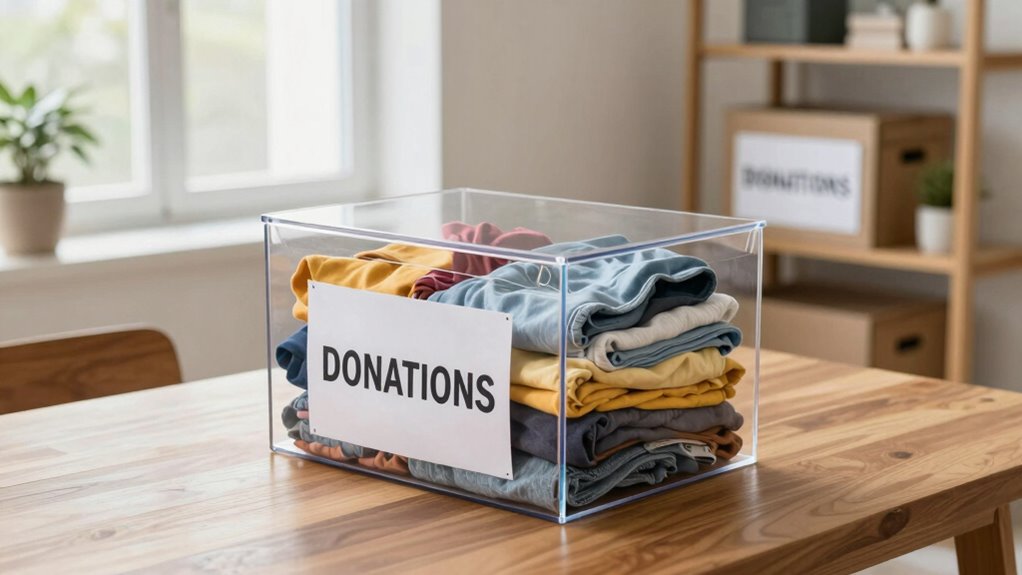
Decluttering your space becomes much easier when you implement a simple yet effective donation box system. This approach transforms what might feel overwhelming into manageable steps, helping you stay focused and motivated. By designating a specific box for items to donate, you create a clear boundary between what you want to keep and what you’re ready to let go. This method simplifies sorting, as you don’t have to make immediate decisions about each item—just toss it into the box if it no longer serves a purpose or brings you joy. Over time, this consistent action helps you gradually clear out clutter and makes the process feel less intimidating.
Use a designated donation box to simplify decluttering and stay motivated.
When you stick to a donation box system, it also encourages better recycling tips and organizing techniques. For example, as you sort through your belongings, you become more conscious of how to recycle or repurpose items appropriately. You learn which materials can be recycled, which can be donated, and how to separate those items efficiently. This awareness makes your decluttering efforts environmentally friendly and aligned with sustainable living practices. Additionally, using the donation box as part of your organizing techniques helps you create designated spaces for items you plan to keep, making your entire area more functional and visually appealing. It’s a simple yet powerful way to maintain order without feeling overwhelmed.
The key to success with this system is consistency. Set aside specific times each week to go through your donation box, and keep it somewhere accessible but out of the way. When the box fills up, you’re prompted to take action—either to donate or to reassess if certain items still belong there. This ongoing process prevents clutter from piling up again and helps you develop a habit of regular decluttering. Plus, knowing that your donations will benefit someone else can motivate you to keep the momentum going. Incorporating mindful consumption can further enhance your awareness of what you bring into your home and reduce unnecessary clutter. Establishing effective habits is essential to making this system a lasting part of your organization routine.
Another advantage is that this system minimizes decision fatigue. Instead of agonizing over each item individually, you only decide whether it belongs in the donation box or not. This streamlines your organizing techniques, making the process quicker and less stressful. Over time, the accumulation of these small, consistent efforts results in a cleaner, more organized space. Plus, it fosters a mindset of mindful consumption, where you’re more intentional about what you bring into your home, knowing that excess items can be easily donated. Recognizing energy-efficient practices and how they relate to reducing clutter can further motivate environmentally conscious decisions. Incorporating noticing your surroundings can further enhance your awareness of items that are ripe for donation or recycling.
As an affiliate, we earn on qualifying purchases.
Frequently Asked Questions
How Often Should I Empty My Donation Box?
You should empty your donation box whenever it’s full or at least once a month. Establishing a regular cleanup schedule helps maintain donation frequency, preventing clutter from piling up. By sticking to this routine, you stay organized and motivated to regularly declutter. This way, your donation box remains manageable, and you can promptly pass on items that no longer serve you, making decluttering a simple, stress-free process.
What Types of Items Are Best for Donation Boxes?
Think of donation boxes as treasure chests for kindness. You should fill them with clothing donations that no longer fit or spark joy, as well as household items like old towels, kitchenware, or toys you no longer use. These items are perfect for donation, helping others and decluttering your space. Keep your box ready for items in good condition, so you can easily share and make a positive impact.
How Do I Motivate Others to Donate?
You can motivate others to donate by using motivational strategies like sharing success stories and emphasizing the positive impact of donations. Encourage community involvement by hosting local donation drives or events, making giving feel more personal and rewarding. Recognize contributors publicly or with small incentives to boost enthusiasm. When people see how their donations help others and feel part of a community effort, they’re more likely to participate willingly and regularly.
Can Donation Boxes Be Used for Digital Clutter?
Yes, donation boxes can be adapted for digital clutter by creating virtual donations. You can set up folders or online platforms to collect unused files, emails, or digital photos, mimicking physical donation boxes. This approach encourages digital organization, making it easier to declutter your devices. Visualizing this as a digital donation box helps you see what to discard and what to keep, streamlining your virtual space efficiently.
What Are the Best Locations for Placing Donation Boxes?
You should place donation boxes in high-traffic areas like entryways, laundry rooms, or garages for easy access. Use storage tips to keep them organized and visible, encouraging regular donations. Remember donation etiquette by clearly labeling boxes and informing household members about their purpose. This approach makes decluttering more manageable and guarantees everyone participates, streamlining your cleanup process and helping you stay motivated to give items a new home.
recycling and donation storage bin
As an affiliate, we earn on qualifying purchases.
As an affiliate, we earn on qualifying purchases.
Conclusion
As you close the donation box, you can’t help but notice the gentle weight of your decisions—each item a small act of letting go. It’s funny how, just like finding that forgotten coin in your pocket, decluttering becomes effortless when you have a dedicated system. With each donation, you make space not just in your home, but in your mind. Sometimes, the smallest act opens the door to unexpected clarity and peace.
As an affiliate, we earn on qualifying purchases.
home organization donation container
As an affiliate, we earn on qualifying purchases.
As an affiliate, we earn on qualifying purchases.
Halloween Picks
halloween
As an affiliate, we earn on qualifying purchases.