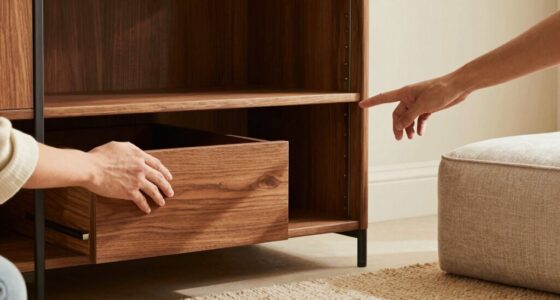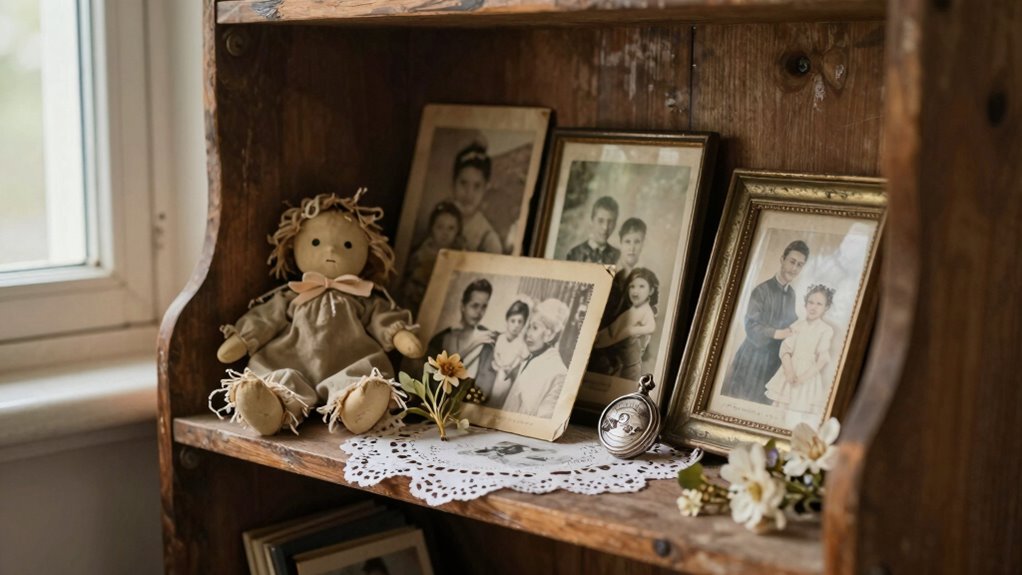

Sentimental clutter is different because it’s tied to your memories, feelings, and personal history, making it harder to let go without feeling emotional loss. You might feel attached to objects that symbolize important relationships or past experiences, which creates resistance to decluttering. To handle it, you need to balance respecting your memories with maintaining a manageable space. If you want to learn how to navigate these emotional challenges, then there’s more to discover that can help you find peace with your belongings.

Get the little things that make your day delivered free with Prime
- Fast, free delivery on millions of items
- Prime Video, Amazon Music and more included
- Member-only deals all year
Key Takeaways
- Sentimental clutter involves emotional attachments, making objective decision-making more challenging than with general clutter.
- It symbolizes personal memories and identities, requiring sensitive handling to honor their significance.
- Preserving memories through photos or stories can reduce physical clutter while maintaining emotional connections.
- Setting boundaries and using criteria helps evaluate which sentimental items truly enrich one’s life.
- Mindful decluttering balances emotional needs with physical organization, respecting memories without overwhelming space.
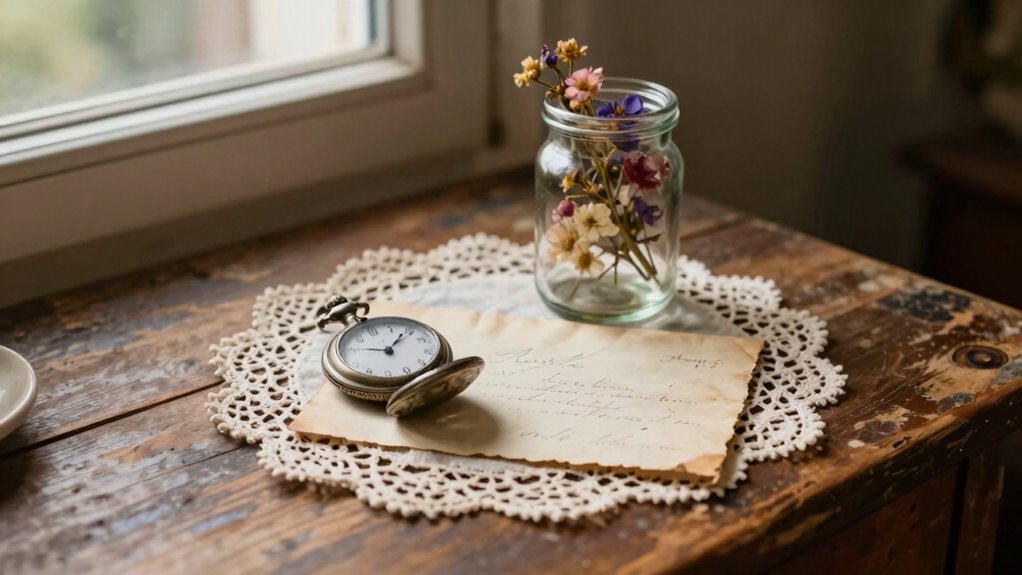
Handling sentimental clutter can feel overwhelming because these items often carry deep emotional significance. You might hesitate to let go of a childhood toy, an old letter, or a family heirloom because it’s tied to memories and feelings that are hard to put into words. These objects aren’t just things; they’re symbols of your past, your relationships, and your identity. That’s why dealing with sentimental clutter isn’t simply about tidying up—it’s about managing emotional attachment while preserving memories. You want to keep these items because they hold a special place in your heart, but too many can clutter your space and cloud your sense of peace.
Handling sentimental clutter involves balancing emotional attachment with creating a peaceful, organized space.
The challenge is balancing your desire for memory preservation with the need to create an organized, functional environment. When it comes to sentimental items, emotional attachment often makes it difficult to see them objectively. You might worry that letting go means losing a part of your history, but holding on to everything can lead to chaos and emotional overwhelm. To handle this, start by recognizing that memories aren’t confined to physical objects. Photographs, journals, or even stories can serve as powerful memory preservation tools without needing to keep every item. This shift helps you prioritize what truly matters and makes it easier to let go of objects that no longer serve a purpose.
You should also take time to reflect on each item’s significance. Ask yourself why you’re holding onto it—is it because you genuinely value the memory, or because of guilt, obligation, or fear? Be honest about which objects truly enrich your life today. Sometimes, you’ll find that a photo or a letter can evoke the same feelings without taking up space. Creating a dedicated keepsake box or digital archive allows you to preserve these memories efficiently, freeing up physical space while honoring your emotional needs. Additionally, understanding the importance of biodiversity can inspire you to focus on what truly enriches your life and environment, helping you make more mindful decisions about your possessions. Recognizing that emotional attachment can influence clutter can also help you develop healthier attachment patterns and reduce unnecessary accumulation. Developing awareness of emotional triggers may further support your process of letting go and making mindful choices.
Another effective strategy is to set clear boundaries. Decide in advance how many sentimental items you’re willing to keep and stick to that limit. When faced with a new item, consider whether it fits within your criteria or if it’s time to let go of similar things. Remember, handling sentimental clutter isn’t about erasing your past; it’s about honoring your memories in a way that enhances your present. By doing so, you maintain a sense of emotional balance, respect your attachment to certain objects, and create a space that feels both meaningful and manageable.
As an affiliate, we earn on qualifying purchases.
Frequently Asked Questions
How Do I Decide What Sentimental Items to Keep or Discard?
To decide what sentimental items to keep, consider which ones truly represent meaningful memories and preserve your emotional attachment. Ask yourself if the item sparks joy or nostalgia, or if it’s just taking up space. Trust your instincts and prioritize items that hold a special place in your heart. Remember, you can photograph or digitize items to keep the memory alive without cluttering your space.
Are There Emotional Risks Involved in Decluttering Sentimental Items?
Like a vintage record, decluttering sentimental items can stir up emotions, so yes, there are emotional risks involved. Your emotional attachment makes decision-making challenging, as you might feel guilt or sadness about letting go. To navigate this, take your time, acknowledge your feelings, and remember that decluttering doesn’t mean forgetting. It’s about honoring your memories while creating space for new experiences.
How Can I Preserve Memories Without Keeping Physical Objects?
You can preserve memories without keeping physical objects through digital archiving and memory photography. Scan or photograph sentimental items, then organize these digital files into labeled folders or albums. This way, you keep the essence of your memories without cluttering your space. Regularly back up your digital archives to guarantee your memories are safe, and revisit these virtual keepsakes whenever you want to reflect on meaningful moments.
What Are Some Creative Ways to Repurpose Sentimental Belongings?
You can use creative repurposing to transform sentimental belongings into meaningful keepsakes. Turn old shirts into a quilt, frame favorite photos in unique ways, or create jewelry from tiny mementos. This approach not only preserves your memories but also keeps them close in everyday life. By repurposing, you actively engage in memory preservation, giving old objects new life and personal significance, reducing clutter while honoring your cherished moments.
How Do I Handle Family Disagreements Over Sentimental Possessions?
You need to navigate family dynamics carefully, especially when emotional attachment runs deep. Start by listening actively and acknowledging each person’s feelings without judgment. Keep the conversation respectful and focused on shared memories rather than possessions. Sometimes, a neutral third party or mediator can help resolve disagreements. Remember, honoring each other’s emotional attachment strengthens bonds, even if you can’t keep everything. Patience and empathy are your best tools here.
As an affiliate, we earn on qualifying purchases.
Conclusion
Handling sentimental clutter is like tending a delicate garden—you must gently prune what no longer serves you while nurturing the memories that truly matter. By setting boundaries and embracing your emotional attachments with compassion, you create space for growth and clarity. Remember, letting go doesn’t mean forgetting; it means giving your heart room to breathe and flourish. With patience and care, your home can become a sanctuary where cherished memories thrive, unburdened by unnecessary weight.
As an affiliate, we earn on qualifying purchases.
As an affiliate, we earn on qualifying purchases.
NFL season / tailgating Picks
team gear
As an affiliate, we earn on qualifying purchases.