
You can improve your life by reducing clutter, which sharpens your focus and lowers stress, even if you’re not a minimalist. Embrace intentional living by making conscious choices about your time, energy, and possessions, prioritizing quality over quantity. Use the “one in, one out” rule to prevent clutter buildup and set boundaries to protect your focus. Living with clarity and purpose creates a peaceful environment, and adopting these small habits can make a big difference—explore how to start today.
Listen free for 30 days with Audible
Thousands of audiobooks and originals — cancel anytime.
As an affiliate, we earn on qualifying purchases.
Key Takeaways
- Adopt the “one in, one out” rule to prevent clutter buildup and encourage mindful possessions.
- Set clear boundaries to prioritize meaningful commitments and reduce unnecessary obligations.
- Practice intentional living by making conscious choices about time, energy, and resources.
- Regularly declutter to create a calmer environment that promotes mental clarity and focus.
- Focus on quality over quantity in possessions and relationships to enhance overall well-being.
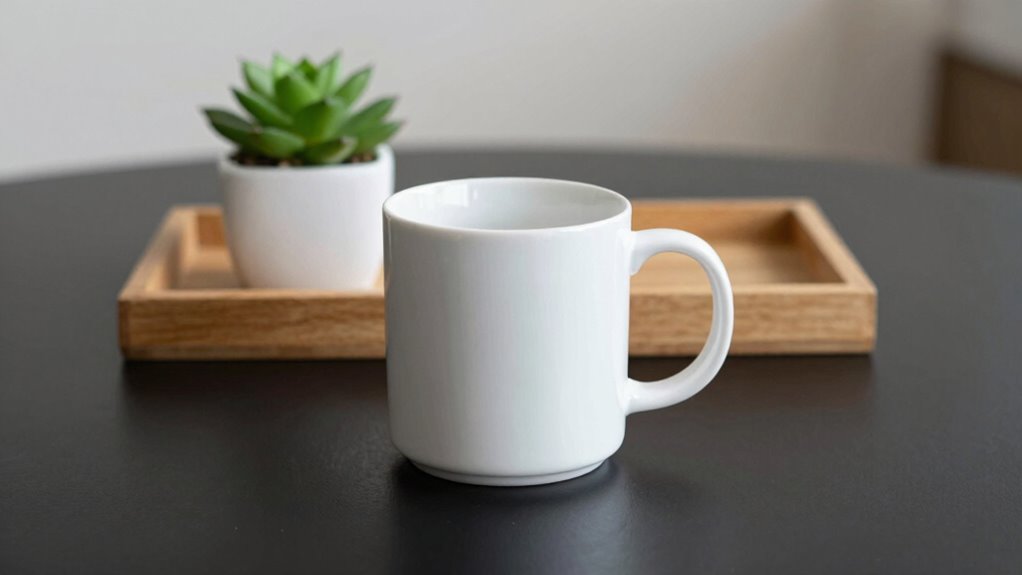
Have you ever wondered how simplifying your life can lead to greater clarity and peace? It’s a question many people ask when feeling overwhelmed by clutter, stress, or a busy schedule. The good news is, you don’t need to be a dedicated minimalist to benefit from some straightforward rules. These principles can work for anyone willing to make small, intentional changes. Clutter reduction is a vital step. When your space is filled with things you no longer need or love, it’s easy to feel distracted and overwhelmed. Start by sorting through your belongings and letting go of items that don’t serve a purpose or bring you joy. This doesn’t mean you have to become a minimalist overnight, but reducing clutter creates a calmer environment and makes intentional living easier. When your surroundings are clear, your mind tends to follow suit, allowing you to focus on what truly matters.
Simplify your space to clear your mind and focus on what truly matters.
Next, embrace the idea of intentional living. It’s about making conscious choices about how you spend your time, energy, and resources. Instead of rushing through each day on autopilot, pause and reflect on what aligns with your values and goals. For example, if you find yourself constantly distracted by social media or unnecessary commitments, consider cutting back and reallocating that time toward activities that nourish your well-being or strengthen relationships. By being deliberate about your actions, you gain control over your life rather than feeling swept along by external pressures. This mindset encourages you to prioritize quality over quantity, whether it’s in possessions, relationships, or experiences. Recognizing the importance of mindful consumption can help you make better decisions about what to bring into your life and what to let go of. Additionally, understanding how clutter impacts mental health can motivate you to maintain a more organized and peaceful environment. Incorporating intentional habits into your routine can further support your journey toward simplicity and clarity. Developing an awareness of psychological effects of clutter can deepen your motivation to declutter and organize.
Another practical rule is to adopt a “one in, one out” approach. Whenever you bring something new into your space, let go of something similar to keep clutter at bay. This habit makes you more mindful about your consumption and helps prevent accumulation. It also reinforces the idea that possessions should add value, not just fill space. Additionally, set boundaries for your commitments and obligations. Saying no more often isn’t selfish; it’s an act of self-care that supports your focus on what truly matters. By reducing unnecessary commitments, you free up time and energy for pursuits that bring purpose and joy.
Ultimately, these minimalistic rules aren’t about deprivation but about clarity and intention. They invite you to live more consciously, creating a peaceful environment that fosters mental clarity and emotional stability. Whether you’re a minimalist or just someone seeking a more balanced life, these principles are accessible and effective. Small, deliberate steps can lead to meaningful change—helping you find peace amidst life’s chaos.
minimalist decluttering storage bins
As an affiliate, we earn on qualifying purchases.
As an affiliate, we earn on qualifying purchases.
Frequently Asked Questions
Can Minimalism Improve Mental Health?
Yes, minimalism can improve your mental health by enhancing your emotional well-being and cognitive clarity. When you declutter your space and simplify your routines, you reduce stress and distractions, making it easier to focus on what truly matters. This intentional approach encourages mindfulness, helping you feel calmer and more in control. As a result, your overall mental state improves, allowing you to handle daily challenges with greater resilience and clarity.
How to Start Decluttering if Overwhelmed?
If clutter feels overwhelming, start with small steps like a 5-minute clutter clearing session. An interesting stat shows that clutter can increase stress levels by 40%. Focus on emotional detachment; remind yourself that possessions don’t define you. Break tasks into manageable chunks, celebrate small wins, and gradually build momentum. This approach makes decluttering less intimidating and helps you regain control without feeling overwhelmed.
Is Minimalism Suitable for Families?
Minimalism suits families well because it supports healthier family dynamics and simplifies parenting strategies. By decluttering, you create a more organized environment, reducing stress and conflicts. Incorporating minimalist principles helps teach kids about value and gratitude. You can involve your family in decluttering, making it a shared activity that fosters teamwork. Ultimately, minimalism encourages a calm, intentional lifestyle that benefits everyone, making family life more harmonious and focused.
What Are Common Minimalism Misconceptions?
You might think minimalism means cold, sterile spaces or giving up all possessions, but that’s a misconception. Minimalist aesthetics focus on simplicity and functionality, not deprivation. Cultural minimalism highlights intentional living and respecting traditions without clutter. Many believe minimalism is only for certain lifestyles, but it’s adaptable for everyone. It’s about creating calm, purposeful spaces that reflect your values, not about strict rules or sacrificing comfort.
How Does Minimalism Affect Financial Savings?
Minimalism acts like a financial compass, guiding you toward savings. By embracing simple living, you’ll find it easier to stick to your budget planning and expense tracking, which can markedly boost your savings over time. Reducing clutter and unnecessary purchases frees up money, making it easier to reach financial goals. As you cut back on excess, you’ll notice your savings grow steadily, giving you more freedom and peace of mind.
As an affiliate, we earn on qualifying purchases.
Conclusion
Embracing minimalist rules gently clears the clutter from your life, much like sunrise softly dissolving night’s shadows. You’ll find peace in the simplicity, where every choice becomes a deliberate brushstroke on your canvas. Even if minimalism isn’t your style, these principles guide you toward a calmer, more intentional path. With each mindful step, you’ll discover a quiet space where true clarity blossoms, quietly whispering that less truly can be more.
As an affiliate, we earn on qualifying purchases.
As an affiliate, we earn on qualifying purchases.
Flea & tick season Picks
flea and tick prevention
As an affiliate, we earn on qualifying purchases.