
A kids’ capsule wardrobe helps you cut clutter and make mornings smoother by choosing versatile, high-quality pieces that mix and match easily. Limiting clothing to about 30-50 items, organized by type and color, encourages independence and reduces laundry. It also promotes sustainable habits by focusing on durability and eco-friendly fabrics. With a well-planned wardrobe, you’ll save time, money, and help the environment. Keep exploring to discover tips for building and maintaining the perfect collection for your child.
Listen free for 30 days with Audible
Thousands of audiobooks and originals — cancel anytime.
As an affiliate, we earn on qualifying purchases.
Key Takeaways
- Curate a versatile wardrobe with neutral, high-quality pieces that mix and match easily, reducing outfit decisions and clutter.
- Limit clothing items to around 30-50 pieces, including shoes and accessories, to streamline storage and simplify choices.
- Organize clothes by type and color using clear bins or labeled drawers for easy access and independence.
- Regularly review and donate outgrown or unused clothing to maintain a clutter-free wardrobe.
- Incorporate sustainable, durable fabrics to extend garment life and promote eco-friendly, responsible clothing habits.
As an affiliate, we earn on qualifying purchases.
Benefits of a Capsule Wardrobe for Kids
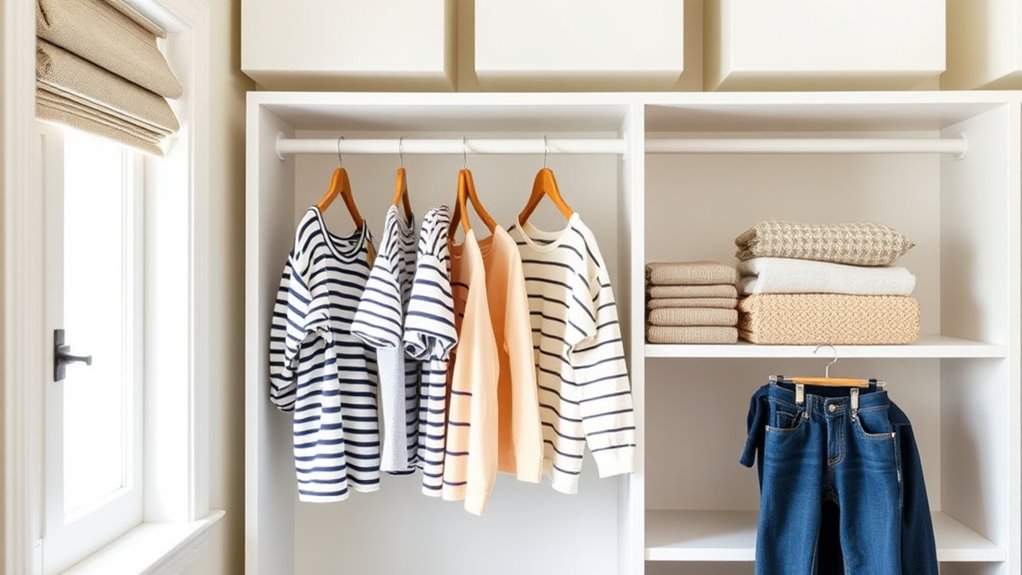
A capsule wardrobe for kids offers numerous benefits that make daily dressing easier and more enjoyable. It simplifies mornings by reducing the time spent choosing outfits, helping your child get ready faster. With a curated collection of versatile pieces, decision fatigue becomes less of a concern for both of you. Additionally, it cuts down on laundry since fewer clothes are in circulation, making chores less overwhelming. Financially, it saves money by focusing on quality over quantity and decreasing impulsive shopping. Space-wise, it keeps closets organized and clutter-free, especially in small homes. Environmentally, it promotes sustainable fashion by limiting excess clothing and extending the life of garments. Most importantly, it encourages your child’s independence, confidence, and pride in choosing and caring for their wardrobe. Emphasizing creativity in storytelling can also help foster your child’s self-expression and imagination through their wardrobe choices.
As an affiliate, we earn on qualifying purchases.
How to Build a Functional Kids’ Capsule Wardrobe
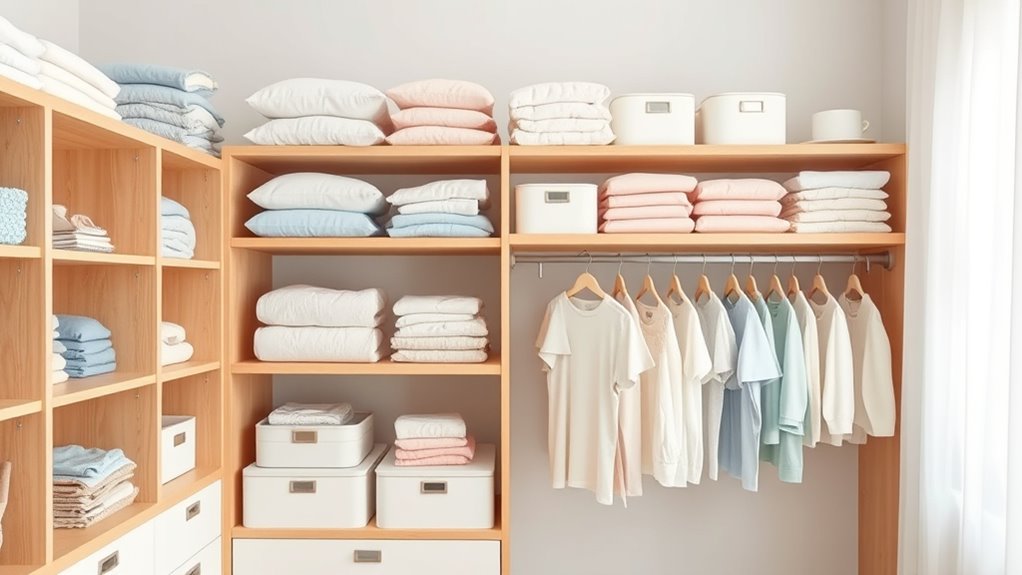
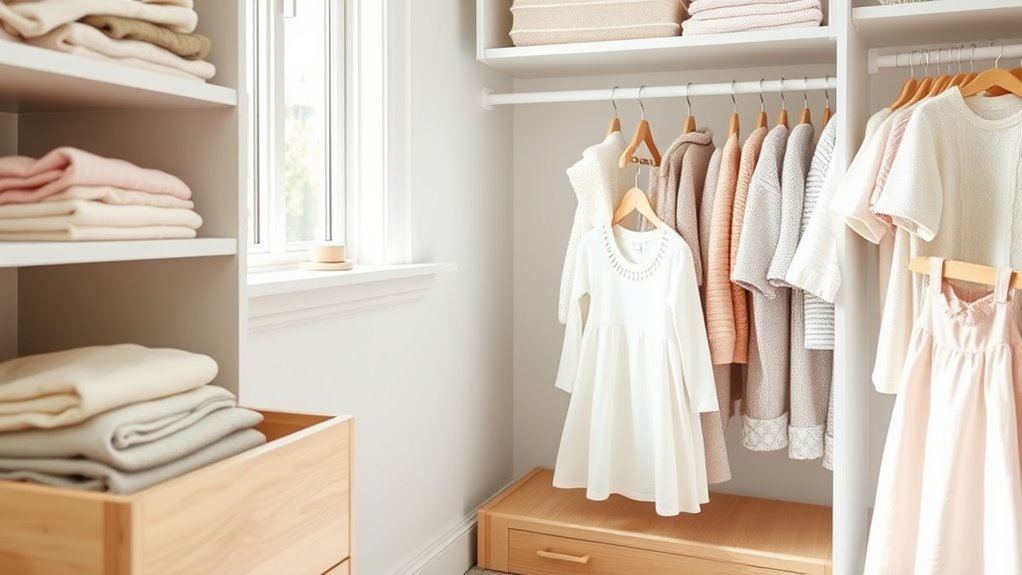
Building a functional kids’ capsule wardrobe starts with selecting versatile, high-quality pieces that can be easily mixed and matched. Focus on neutral colors and classic styles that work across seasons and occasions. Stick to essential items like base layers, comfortable tops, durable pants, and a few versatile dresses or skirts. Prioritize quality over quantity to guarantee clothes last and maintain their look. Limit your choices to around 30-50 pieces, including shoes and accessories, to keep the wardrobe manageable. Consider your child’s daily activities and preferences, choosing items that are easy to care for and comfortable. Organizing the wardrobe by type and color enhances accessibility and makes it simple for your child to select outfits independently. This approach creates a streamlined, functional wardrobe that simplifies dressing and reduces clutter.
kids durable and eco-friendly clothing
As an affiliate, we earn on qualifying purchases.
As an affiliate, we earn on qualifying purchases.
Tips for Maintaining and Updating the Wardrobe

Keeping your child’s capsule wardrobe fresh and functional requires regular attention to both maintenance and updates. Periodically review the clothing to identify worn-out or outgrown items, and replace them with quality pieces that fit well. Rotate seasonal clothes to ensure everything stays relevant and accessible. Involve your child in choosing new items to foster independence and ensure they like what they wear. Keep a small donation box handy for clothes your child has outgrown or no longer wants, making it easy to declutter regularly. To prevent clutter buildup, stick to your capsule core pieces and resist impulse shopping. Refresh the wardrobe every few months, and update accessories or shoes as needed to keep outfits current and enjoyable for your child. Additionally, understanding the importance of AI ethics can help you make more informed decisions about smart clothing technologies or AI-powered wardrobe management tools you might consider using.
As an affiliate, we earn on qualifying purchases.
Organizing Space and Promoting Independence

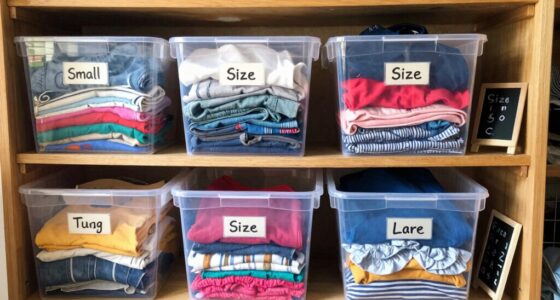
Organizing your child’s capsule wardrobe in a way that maximizes space and encourages independence makes dressing easier and more enjoyable. When clothes are neatly stored and accessible, your child learns to choose outfits confidently and manage their wardrobe. Keep frequently worn items at eye level, so they can find and put away clothes without help. Use clear bins or labeled drawers to categorize different clothing types, making it simple to locate items quickly. Incorporate low hooks or cubbies for shoes and accessories, empowering your child to dress themselves. By creating an organized, accessible space, you foster independence and reduce morning stress. Incorporating simple storage solutions can further streamline the process and keep clutter at bay.
Environmental Impact and Sustainable Choices
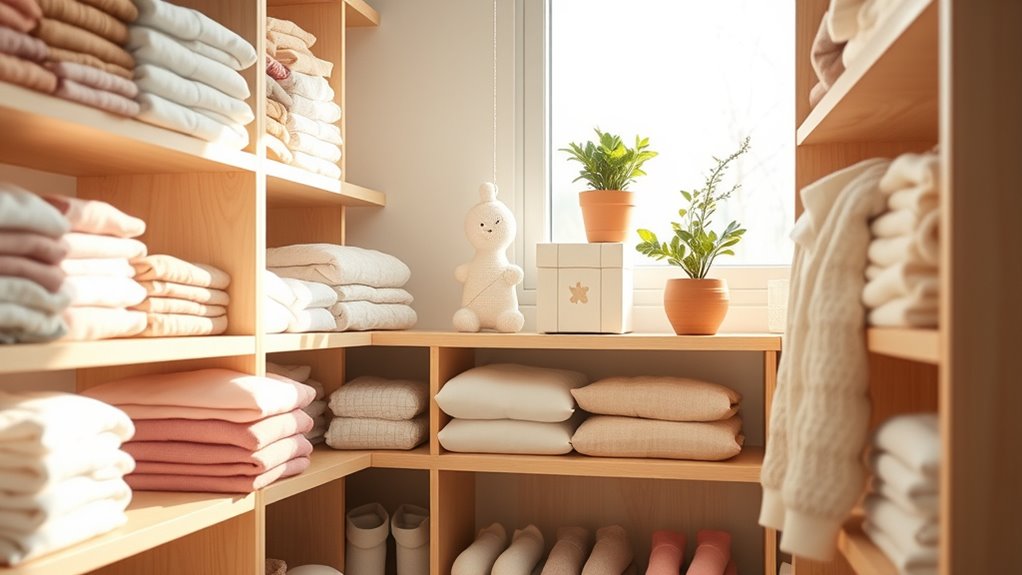
Choosing a capsule wardrobe for your child can markedly reduce environmental impact by limiting unnecessary clothing purchases and promoting sustainable practices. When you focus on quality, durable pieces, you cut down on fast fashion’s waste and resource consumption. Buying fewer clothes means less textile waste ending up in landfills and fewer items produced by clothing manufacturers, which conserves water, energy, and raw materials. Recycling or donating old clothes becomes easier, encouraging a circular approach to fashion. By selecting eco-friendly fabrics like organic cotton or recycled fibers, you support sustainable manufacturing. Additionally, opting for high-quality projectors ensures longevity and reduces the need for frequent replacements of equipment. This mindful approach not only minimizes your child’s wardrobe’s environmental footprint but also teaches valuable lessons about responsible consumption. Ultimately, a capsule wardrobe helps your family make greener choices, fostering a healthier planet for future generations.
Frequently Asked Questions
How Can I Involve My Child in Choosing Their Capsule Wardrobe?
You can involve your child by letting them pick out their favorite neutral and basic pieces, encouraging their input on colors and styles they like. Take them shopping or browse options together, making it a fun decision-making process. Teach them about choosing versatile, high-quality items. This way, they feel empowered, confident, and excited to wear their wardrobe, fostering independence and ensuring they love what they wear every day.
What Are Some Budget-Friendly Tips for Building a Capsule Wardrobe?
To construct a budget-friendly capsule wardrobe, start by setting a clear budget and shopping during sales or clearance events. Focus on versatile, neutral pieces that mix and match easily. Buy high-quality items that last longer, and consider thrift stores for gently used clothes. Limit shopping trips to avoid impulse buys, and involve your child in choosing affordable options to ensure they love their wardrobe.
How Often Should I Update or Refresh My Child’s Wardrobe?
Think of your child’s wardrobe as a garden that needs tending. You should refresh it seasonally, typically every 3 to 6 months, to keep up with growth and changing styles. Regularly assess what fits and is worn, donating or recycling outgrown items. This keeps the wardrobe manageable, ensures your child’s comfort, and maintains a fresh, functional collection aligned with their needs and your goals for simplicity and sustainability.
What Are the Best Storage Solutions for Small Spaces?
For small spaces, opt for multi-functional storage like under-bed bins, wall-mounted shelves, and over-the-door organizers. Use clear bins or labeled boxes to keep things visible and accessible. Incorporate vertical storage to maximize space, and choose furniture with built-in drawers or compartments. Regularly declutter to avoid clutter buildup, and involve your child in organizing to promote independence. These solutions help keep your child’s wardrobe tidy and make the most of limited space.
How Does a Capsule Wardrobe Support My Child’s Emotional Development?
Think of a capsule wardrobe as a garden where your child’s confidence blooms. It supports emotional growth by giving them independence to choose outfits, fostering decision-making skills. When they pick and coordinate their clothes, they feel more in control, boosting self-esteem. Plus, wearing familiar, well-fitting pieces helps them feel secure and proud. This simple wardrobe nurtures their sense of autonomy, encouraging emotional resilience and personal expression.
Conclusion
By creating a capsule wardrobe for your kids, you simplify mornings and cut down on clutter. Plus, it’s a sustainable choice—did you know that kids’ clothing waste accounts for nearly 10% of landfill volume? With a well-organized wardrobe, your child can easily choose outfits, fostering independence. Embrace this approach to save time, reduce waste, and teach your little one valuable habits for a greener, more organized future.
NFL season / tailgating Picks
team gear
As an affiliate, we earn on qualifying purchases.