For most homes, I’d start with the Roborock Q10 S5+, whose self-emptying dock and vacuum-and-mop setup make it a strong all-around choice. The Roborock Q7 M5 is a simpler fit for shoppers who want mapping and mopping, while the eufy 11S Max suits homes where a slim, quieter vacuum matters more than a dock or mop. The main tradeoffs are how much floor care you want automated, how much upkeep you’ll accept, and whether mapping or a compact design matters most. A self-emptying base reduces bin chores but takes up space and still needs attention. Read on for how all 15 robot vacuum cleaners compare and which one best fits your home.

Get the little things that make your day delivered free with Prime
- Fast, free delivery on millions of items
- Prime Video, Amazon Music and more included
- Member-only deals all year
Complete the kit


Key Takeaways
- The Roborock Q10 S5+ leads for hands-off upkeep: its self-emptying dock and mop functions offer a more complete routine than the basic vacuum-only picks.
- Roborock’s Q7 models serve different priorities: the Q7 M5 and Q7 L5 add vacuuming and mopping, while the Q10 S5+ adds a self-emptying base.
- Dock capacity is a meaningful divider: the Tikom L8000 Plus, Shark AI Ultra, and Roomba 105 with AutoEmpty Dock reduce frequent bin emptying, but need dock space.
- Simple models trade automation for a smaller footprint: the eufy 11S Max, Lefant M210, and ILIFE V2 focus on vacuuming without the mapping, mopping, or dock features found higher in the roundup.
- Combo labels don’t tell the whole story: buyers should check how each model handles navigation, mop upkeep, and dust disposal before assuming a vacuum-and-mop unit will reduce chores.
| Tikom G8000 Max Robot Vacuum and Mop Combo |  | Best Slim Combo for Everyday Cleaning | Suction power: 5,000 Pa | Dustbin capacity: 450 ml | Water tank capacity: 300 ml | VIEW LATEST PRICE | See Our Full Breakdown |
| iRobot Roomba Plus 415X Robot Vacuum and Mop Combo |  | Best for Low-Maintenance Mopping | Suction power: 20,000 Pa | Dock: AutoWash Dock with self-emptying, mop washing, and heat drying | Self-emptying capacity: Up to 90 days | VIEW LATEST PRICE | See Our Full Breakdown |
| iRobot Roomba 105 Vac Robot Vacuum |  | Best for Beginners Who Only Need Vacuuming | Surface recommendation: Carpet and hard floor | Suction: 70x power-lifting suction | Suction levels: 4 | VIEW LATEST PRICE | See Our Full Breakdown |
| Shark Matrix Plus 2-in-1 Robot Vacuum and Mop, AV2610WA |  | Best for Bagless Allergen-Focused Cleaning | Model: AV2610WA | Mopping rate: Up to 100 scrubs per minute | Self-emptying capacity: Up to 60 days of dirt and debris | VIEW LATEST PRICE | See Our Full Breakdown |
| Lefant M210 Robot Vacuum Cleaner |  | Best Compact Pick for Pet Hair | Diameter: 11 inches | Height: 2.99 inches | Runtime: Up to 120 minutes in low-suction mode | VIEW LATEST PRICE | See Our Full Breakdown |
| iRobot Roomba 105 Robot Vacuum with AutoEmpty Dock |  | Best for Low-Maintenance Mapping | Surface recommendation: Carpet and hard floor | Navigation: LiDAR | Cleaning system: Three-stage | VIEW LATEST PRICE | See Our Full Breakdown |
| eufy 11S Max Robot Vacuum Cleaner | 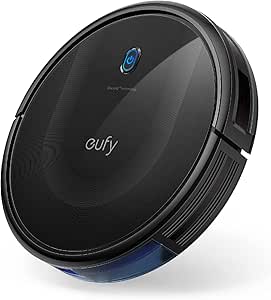 | Best for Simple, Quiet Cleaning | Surface recommendation: Hard floor, tile, and medium-pile carpet | Battery life: Up to 100 minutes | Dust capacity: 600 ml | VIEW LATEST PRICE | See Our Full Breakdown |
| Roborock Q7 M5 Robot Vacuum and Mop Combo |  | Best for Pet Hair and Hard-Floor Mopping | Suction power: 10,000 Pa | Dustbin capacity: 400 ml | Water tank capacity: 270 ml | VIEW LATEST PRICE | See Our Full Breakdown |
| Tikom L8000 Plus Robot Vacuum and Mop with Self-Emptying Base |  | Best for Multi-Floor Dock Convenience | Cleaning functions: Vacuuming and mopping | Maximum suction: 6,000 Pa | Dustbag capacity: 3 liters | VIEW LATEST PRICE | See Our Full Breakdown |
| Shark AI Ultra Robot Vacuum with 60-Day Self-Emptying Base (Black) AV2511AE |  | Best for Grid-Pattern Whole-Home Vacuuming | Surface recommendation: Carpet and hard floors | Navigation: 360° LiDAR | Cleaning pattern: Matrix Clean grid mapping | VIEW LATEST PRICE | See Our Full Breakdown |
| ROPVACNIC Robot Vacuum and Mop Combo with 5200 Pa Suction |  | Best for Simple Vacuuming and Mopping | Suction power: 5200 Pa | Battery life: 120 minutes | Surfaces: Hardwood floors and low-pile carpets | VIEW LATEST PRICE | See Our Full Breakdown |
| Roborock Q10 S5+ Robot Vacuum and Mop |  | Best for Low-Maintenance, High-Coverage Cleaning | Maximum suction: 10,000 Pa | Dust bag capacity: 2.7 L | Battery life: 150 minutes | VIEW LATEST PRICE | See Our Full Breakdown |
| Roborock Q7 L5 Robot Vacuum and Mop Combo |  | Best for Multi-Floor Mapping Without a Self-Empty Dock | Suction power: 8,000 Pa | Navigation: LiDAR | Mapping: Multi-floor | VIEW LATEST PRICE | See Our Full Breakdown |
| Shark Navigator Robot Vacuum with 30-Day Self-Empty Base, White (AV2110S) |  | Best Bagless Self-Emptying Pick | Navigation: LiDAR SmartPath | Surfaces: Carpet and hard floors | Self-empty base: Bagless; up to 30 days | VIEW LATEST PRICE | See Our Full Breakdown |
| ILIFE V2 Robot Vacuum Cleaner – Tangle‑Free Suction, White |  | Best for Low-Furniture Clearance | Height: 2.99 inches | Dimensions: 12.2 × 12.2 × 2.99 inches | Runtime: 120 minutes | VIEW LATEST PRICE | See Our Full Breakdown |
| robot vacuum cleaner | Navigation | Battery life |
|---|---|---|
| Tikom G8000 Max Robot Vacuum a | — | — |
| iRobot Roomba Plus 415X Robot | LiDAR mapping and obstacle recognition | — |
| iRobot Roomba 105 Vac Robot Va | ClearView LiDAR | — |
| Shark Matrix Plus 2-in-1 Robot | 360° LiDAR mapping with obstacle detection and avoidance | — |
| Lefant M210 Robot Vacuum Clean | — | — |
| iRobot Roomba 105 Robot Vacuum | LiDAR | 200 minutes |
| eufy 11S Max Robot Vacuum Clea | — | Up to 100 minutes |
| Roborock Q7 M5 Robot Vacuum an | LiDAR | Up to 150 minutes |
| Tikom L8000 Plus Robot Vacuum | 360° LiDAR | — |
| Shark AI Ultra Robot Vacuum wi | 360° LiDAR | 90–120 minutes |
| ROPVACNIC Robot Vacuum and Mop | — | 120 minutes |
| Roborock Q10 S5+ Robot Vacuum | LiDAR with multi-level mapping | 150 minutes |
| Roborock Q7 L5 Robot Vacuum an | LiDAR | 150 minutes |
| Shark Navigator Robot Vacuum w | LiDAR SmartPath | 120 minutes |
| ILIFE V2 Robot Vacuum Cleaner | — | — |
More Details on Our Top Picks
Tikom G8000 Max Robot Vacuum and Mop Combo
The Tikom G8000 Max pairs vacuuming with mopping in a body just 2.99 inches tall, making it a practical fit for homes where dust gathers under low furniture. Its 5,000Pa suction and 450 ml dustbin give it a more substantial vacuuming setup than the basic Lefant M210, while the 300 ml water tank adds a light hard-floor pass in the same run. App, remote, voice, and onboard controls make it easier to use across different household preferences. The tradeoff is that its 150-minute runtime applies in quiet mode, and the carpet guidance is limited to short- and medium-pile styles. Choose it for mixed floors and low-clearance furniture; skip it if you expect deep carpet cleaning or detailed mopping.
Pros:- Vacuums and mops in the same run
- Slim 2.99-inch body can reach under low furniture
- App, remote, voice, and button controls
- Automatic recharging with spot, edge, zig-zag, and manual modes
Cons:- The 150-minute runtime is specified for quiet mode only
- Carpet suitability is limited to short- and medium-pile styles
Best for: Households with hard floors, some short- or medium-pile carpet, and low furniture that a taller robot may not reach
Not ideal for: Homes dominated by thick carpet or buyers who need a stated runtime at stronger suction settings
- Suction power:5,000 Pa
- Dustbin capacity:450 ml
- Water tank capacity:300 ml
- Maximum runtime:Up to 150 minutes in quiet mode
- Height:2.99 inches
- Controls:App, remote, voice, and button
- Cleaning modes:Spot, edge, zig-zag, and manual
- Navigation features:Anti-collision and anti-fall sensors
Our verdict“Pick the G8000 Max if you want a slim, multi-control robot for routine vacuuming and light mopping across hard floors and modest carpet.”
iRobot Roomba Plus 415X Robot Vacuum and Mop Combo
The Roomba Plus 415X is the most hands-off combo here: its AutoWash Dock empties debris for up to 90 days, then washes and heat-dries the mop pads after each job. That routine sets it apart from the Shark Matrix Plus 2-in-1, whose bagless base holds debris for up to 60 days but whose product details do not describe the same pad-washing and drying cycle. LiDAR mapping, obstacle recognition, and 10 mm mop lifting help the Roomba plan routes and keep rugs dry, while tangle-free rubber brushes suit homes with pet hair. The dock takes substantial floor space, and no runtime figure is provided, so buyers cannot compare its cleaning duration from the listed data. It suits people who value automated mop upkeep; those with little storage space should look elsewhere.
Pros:- Dock self-empties debris for up to 90 days
- Washes and heat-dries mop pads after each job
- LiDAR mapping and obstacle recognition support planned cleaning
- 10 mm mop lift and tangle-free rubber brushes address rugs and pet hair
Cons:- Robot and dock need dedicated storage and operating space
- Product details do not specify battery life or runtime
Best for: Busy households with hard floors, rugs, and pet hair that want a dock to handle debris and mop-pad care
Not ideal for: Apartment dwellers with limited space for a dock or buyers who need a published runtime before choosing
- Suction power:20,000 Pa
- Dock:AutoWash Dock with self-emptying, mop washing, and heat drying
- Self-emptying capacity:Up to 90 days
- Mop drying temperature:113°F
- Mop lift:10 mm
- Navigation:LiDAR mapping and obstacle recognition
- Cleaning modes:Vacuum-only, mop-only, vacuum and mop, vacuum then mop
- Brushes:Tangle-free rubber brushes and extending edge brushes
Our verdict“Choose the Roomba Plus 415X if dock automation and mop-pad care matter more to you than compact storage or a stated runtime.”
iRobot Roomba 105 Vac Robot Vacuum
The Roomba 105 Vac keeps the job focused on vacuuming, with four suction levels and a three-stage system for carpet, hard floors, edges, and spot cleanup. ClearView LiDAR maps the home, while its dock lets the robot recharge and resume a cleaning run. That makes it a more navigation-focused choice than the Lefant M210, whose listed details emphasize low-profile access and multiple modes instead. The Roomba also offers app, voice, and onboard-button control, though it requires a 2.4 GHz Wi-Fi network. Its main limitation is straightforward: there is no mopping function, so buyers seeking one robot for both tasks should compare it with the Tikom G8000 Max or Shark Matrix Plus. This is a simpler fit for vacuum-only routines, especially where mapped navigation matters more than combo cleaning.
Pros:- Four suction levels let buyers adjust cleaning strength
- ClearView LiDAR provides mapped navigation
- Recharge-and-resume supports longer cleaning routines
- App, voice assistant, and onboard button controls
Cons:- Does not include mopping functionality
- Requires a 2.4 GHz Wi-Fi network
Best for: First-time robot vacuum buyers who want mapped vacuuming across carpet and hard floors without adding a mop function
Not ideal for: Buyers who want vacuuming and mopping in one machine or whose home Wi-Fi does not support 2.4 GHz
- Surface recommendation:Carpet and hard floor
- Suction:70x power-lifting suction
- Suction levels:4
- Navigation:ClearView LiDAR
- Cleaning system:Three-stage cleaning
- Controls:App, voice assistants, and onboard buttons
- Dock behavior:Self-charging with automatic resume
- Wi-Fi requirement:2.4 GHz
Our verdict“The Roomba 105 Vac is a sensible starter pick for mapped vacuuming if you do not need a mop or a dual-band Wi-Fi connection.”
Shark Matrix Plus 2-in-1 Robot Vacuum and Mop, AV2610WA
The Shark Matrix Plus 2-in-1 combines vacuuming with sonic mopping at up to 100 scrubs per minute, then sends debris to a bagless HEPA base rated for up to 60 days. Its stated filtration captures 99.97% of dust and allergens down to 0.3 microns, giving it a clearer fit for buyers who want allergen-focused dust collection than the Tikom G8000 Max, which lists a smaller combined dustbin and water tank but no comparable base. LiDAR mapping and obstacle avoidance add structure to its cleaning routes, and the self-cleaning brushroll is designed to reduce hair wrap. The compromises are a sizable base and mopping restricted to hard floors. Compared with the Roomba Plus 415X, it offers bagless debris storage, while the Roomba automates mop-pad washing and drying.
Pros:- Vacuuming and sonic mopping can run together
- Bagless base stores up to 60 days of debris
- HEPA filtration has a stated particle-capture specification
- LiDAR mapping, obstacle avoidance, and a self-cleaning brushroll
Cons:- Mopping is limited to hard floors
- Robot and base require room for storage and operation
Best for: Households prioritizing bagless debris storage, stated HEPA filtration, and vacuuming plus hard-floor mopping
Not ideal for: Small homes without room for a base or buyers who want the robot to mop carpeted areas
- Model:AV2610WA
- Mopping rate:Up to 100 scrubs per minute
- Self-emptying capacity:Up to 60 days of dirt and debris
- Filtration:HEPA; captures 99.97% of dust and allergens down to 0.3 microns
- Navigation:360° LiDAR mapping with obstacle detection and avoidance
- Cleaning functions:Vacuuming and sonic mopping
- Brushroll:Self-cleaning
- Included mopping pads:2 reusable microfiber pads
Our verdict“Choose the Shark Matrix Plus if you want a bagless, HEPA-equipped vacuum-and-mop system and have space for its base.”
Lefant M210 Robot Vacuum Cleaner
The Lefant M210 favors simple, low-profile vacuuming: at 2.99 inches tall, it can reach beneath furniture, and its brushless suction port is designed to collect pet hair without a roller to tangle. Six modes, scheduling, app control, and Alexa or Google Assistant support provide more routine options than the Roomba 105 Vac’s listed four suction levels, but the Roomba adds LiDAR mapping and recharge-and-resume behavior. The Lefant’s 500 ml dustbin is generous for a compact robot, and its stated 52 dB noise level may suit quieter household routines. Its 120-minute maximum applies in low-suction mode, and zigzag cleaning is not recommended on carpet. This pick makes sense for hard floors and low-pile rugs; buyers who need mapped navigation or combo mopping should choose another model.
Pros:- Brushless suction port is designed to reduce hair tangles
- 2.99-inch height fits under many low-clearance furnishings
- Six modes include scheduling and manual control
- 500 ml dustbin and app or voice controls
Cons:- Up to 120 minutes of runtime is specified for low-suction mode
- Zigzag mode is not recommended for carpet
- No mopping function or LiDAR mapping is listed
Best for: Pet owners in furnished homes with mostly wood or hard floors who want a slim vacuum with scheduling
Not ideal for: Homes with substantial carpet or buyers who need LiDAR mapping, mopping, or runtime at stronger suction
- Diameter:11 inches
- Height:2.99 inches
- Runtime:Up to 120 minutes in low-suction mode
- Dustbin capacity:500 ml
- Noise level:52 dB
- Cleaning modes:Zigzag, random, spot, edge, scheduled, and manual
- Surface compatibility:Wood, hard floors, and low-pile carpet
- Controls:App, Alexa, and Google Assistant
Our verdict“The M210 suits pet owners who need a slim, scheduled vacuum for hard floors and low-pile carpet, but not homes needing mapped or combo cleaning.”
iRobot Roomba 105 Robot Vacuum with AutoEmpty Dock
LiDAR mapping and room targeting make the Roomba 105 a good fit for households that want scheduled, orderly vacuuming without steering the robot each time. Its AutoEmpty dock holds up to 75 days of debris, giving it a maintenance advantage over the eufy 11S Max, which has no app or Wi-Fi control and requires manual bin emptying. The 105 also supports keep-out zones and voice control, so it suits homes with rooms or areas that need to be skipped. Its tradeoff is that this is a vacuum-only model; unlike the Roborock Q7 M5, it cannot mop hard floors. The stated 0.1-gallon capacity is small, and Wi-Fi is limited to 2.4 GHz, but the dock helps offset frequent bin handling.
Pros:- AutoEmpty dock stores up to 75 days of debris
- LiDAR mapping supports targeted room cleaning and keep-out zones
- App, button, and compatible voice controls
- Up to 200 minutes of listed battery life
Cons:- Vacuum-only, unlike the Roborock Q7 M5 combo
- Listed dust capacity is just 0.1 gallons
- Requires a 2.4 GHz Wi-Fi network for connected features
Best for: Busy households that want room-by-room scheduling and fewer dustbin emptying chores.
Not ideal for: Buyers who want mopping or need a robot that connects to a 5 GHz-only Wi-Fi network.
- Surface recommendation:Carpet and hard floor
- Navigation:LiDAR
- Cleaning system:Three-stage
- Dock capacity:Up to 75 days of debris
- Battery life:200 minutes
- Cleaning path width:5.8 inches
- Control methods:App, buttons, and voice
- Wi-Fi:2.4 GHz
Our verdict“Choose the Roomba 105 if mapped, scheduled vacuuming and a long-capacity self-empty dock matter more than mopping.”
eufy 11S Max Robot Vacuum Cleaner
The eufy 11S Max is the straightforward pick for buyers who want a slim, quiet robot and do not need app-based maps or schedules. At 2.85 inches tall, it can fit beneath some low furniture where taller mapping models may not reach, and its 55 dB listed noise level makes it a gentler choice for daytime cleaning. BoostIQ adjusts suction as the robot moves across hard floors and medium-pile carpet. That simplicity also sets a limit: unlike the iRobot Roomba 105, it has no LiDAR mapping, room targeting, or keep-out zones, and it relies on a remote or onboard buttons. The 600 ml dust capacity is larger than the Roomba 105’s listed 0.1 gallons, but there is no self-emptying dock, so manual bin care remains part of the routine.
Pros:- Slim 2.85-inch profile can reach beneath some low furniture
- Listed noise level is 55 dB
- BoostIQ adjusts suction for different surfaces
- Self-charging with infrared obstacle avoidance and drop sensors
Cons:- No Wi-Fi or app control for maps, schedules, or room targeting
- No self-emptying dock
- Cleaning time can vary by surface
Best for: Apartment dwellers who want a low-profile cleaner for hard floors and medium-pile carpet without app setup.
Not ideal for: Households that need room maps, remote scheduling, voice control, or hands-free dustbin emptying.
- Surface recommendation:Hard floor, tile, and medium-pile carpet
- Battery life:Up to 100 minutes
- Dust capacity:600 ml
- Noise level:55 dB
- Cleaning path width:12.8 inches
- Control:Remote control and onboard buttons
- Connectivity:No Wi-Fi or app support
- Special features:BoostIQ, self-charging, infrared obstacle avoidance, and drop sensing
Our verdict“Pick the eufy 11S Max for quiet, uncomplicated cleaning in rooms where a slim profile matters more than smart mapping.”
Roborock Q7 M5 Robot Vacuum and Mop Combo
The Roborock Q7 M5 pairs 10,000 Pa suction with dual anti-tangle brushes, making it the strongest fit here for homes where pet hair is a regular cleanup job. Its vacuum-and-mop setup adds a light floor pass in the same run, while LiDAR maps and app controls let owners set suction, mopping levels, schedules, and no-go zones. Compared with the Tikom L8000 Plus, the Q7 M5 lists higher suction, but it lacks that model’s self-emptying base and multi-floor map storage. Its 400 ml dustbin and 270 ml water tank also mean owners will handle more routine refills and emptying than with a docked system. The mop is best seen as a maintenance pass for hard floors, not a replacement for deeper scrubbing; 2.4 GHz Wi-Fi is required.
Pros:- 10,000 Pa listed suction and dual anti-tangle brushes suit pet-hair cleanup
- Vacuuming and mopping in one run
- LiDAR mapping with app controls for schedules and no-go zones
- Up to 150 minutes of mopping per charge
Cons:- No self-emptying base, unlike the Tikom L8000 Plus
- 2.4 GHz Wi-Fi only
- Listed noise level differs by mode, at 60 dB for mopping and 65 dB elsewhere
Best for: Pet owners with mostly hard floors who want mapped vacuuming plus light mopping in one robot.
Not ideal for: Buyers who prioritize a self-emptying dock, 5 GHz Wi-Fi, or a dedicated deep-cleaning mop.
- Suction power:10,000 Pa
- Dustbin capacity:400 ml
- Water tank capacity:270 ml
- Battery life:Up to 150 minutes
- Mopping coverage:Up to 2,260 sq. ft. per charge
- Navigation:LiDAR
- Brush design:Dual anti-tangle
- Wi-Fi:2.4 GHz only
Our verdict“Choose the Q7 M5 if pet hair pickup and a mapped hard-floor mop pass are more useful than dock automation.”
Tikom L8000 Plus Robot Vacuum and Mop with Self-Emptying Base
The Tikom L8000 Plus stands out for combining vacuuming, mopping, and a 3-liter self-emptying dustbag in one system. LiDAR mapping can store up to five floor plans, so it is better suited than the Roborock Q7 M5 to a multi-level home where the robot moves between floors. App and voice controls support schedules and no-go zones, and recharge-and-resume helps it finish larger jobs. Its 6,000 Pa suction is lower than the Q7 M5’s listed 10,000 Pa, so pet-heavy homes may prefer the Roborock’s stronger stated suction and anti-tangle brushes. Mop use needs some planning: the holder must be removed or carpets excluded to avoid wetting them. The 150-minute runtime applies to gentle suction mode, which limits how broadly that figure can guide expectations.
Pros:- 3-liter self-emptying dustbag reduces frequent bin maintenance
- LiDAR stores maps for up to five floors
- Recharge-and-resume supports larger cleaning jobs
- App and voice controls include scheduling and no-go zones
Cons:- Carpets need a no-go zone or removal of the mop holder during mop runs
- Listed 150-minute runtime applies to gentle suction mode
- 6,000 Pa listed suction is below the Roborock Q7 M5’s 10,000 Pa
Best for: Owners of multi-floor homes who want mapped vacuum-and-mop cleaning with less frequent dustbag handling.
Not ideal for: Homes with many carpets that need to stay dry during mopping, or buyers seeking the highest listed suction in this group.
- Cleaning functions:Vacuuming and mopping
- Maximum suction:6,000 Pa
- Dustbag capacity:3 liters
- Navigation:360° LiDAR
- Saved maps:Up to 5 floors
- Runtime:Up to 150 minutes in gentle suction mode
- Filter:HEPA
- Wi-Fi:2.4 GHz and 5 GHz
Our verdict“Pick the L8000 Plus for multi-floor mapping and dock convenience if you are willing to manage carpet boundaries during mopping.”
Shark AI Ultra Robot Vacuum with 60-Day Self-Emptying Base (Black) AV2511AE
The Shark AI Ultra is a dedicated vacuum for buyers who want mapped, methodical coverage and a self-emptying base without adding a mop system. Its 360° LiDAR and Matrix Clean grid pattern are designed to move through rooms in organized passes, while app and voice controls support scheduling and room targeting. The base holds up to 60 days of debris, a useful reduction in routine bin handling, though the Roomba 105’s dock is listed for up to 75 days. Shark’s pet-hair focus makes it a sensible alternative to the Roborock Q7 M5 for homes that prefer vacuum-only upkeep; the Roborock adds mopping and lists higher suction. The Shark’s stated runtime spans 90 to 120 minutes, so larger homes may need charging breaks, and this model’s specs do not list a mopping function.
Pros:- Self-emptying base holds up to 60 days of debris
- 360° LiDAR and Matrix Clean grid pattern support systematic coverage
- App and compatible voice control support scheduling and room targeting
- Designed for pet hair pickup across carpet and hard floors
Cons:- No mopping function, unlike the Roborock Q7 M5
- 90-to-120-minute stated runtime may mean charging breaks in larger homes
- Dock capacity is listed for fewer days than the Roomba 105’s
Best for: Pet-owning households that want mapped, grid-pattern vacuuming and a self-emptying base.
Not ideal for: Buyers who need mopping or expect uninterrupted cleaning across a large floor plan.
- Surface recommendation:Carpet and hard floors
- Navigation:360° LiDAR
- Cleaning pattern:Matrix Clean grid mapping
- Self-emptying base:Up to 60 days of debris
- Battery life:90–120 minutes
- Capacity:0.27 gallons
- Control:App and voice
- Compatible devices:Amazon Alexa and Google Assistant
Our verdict“Choose the Shark AI Ultra for organized whole-home vacuuming and pet-hair pickup if mopping is not part of your checklist.”
ROPVACNIC Robot Vacuum and Mop Combo with 5200 Pa Suction
Vacuuming and adjustable mopping in one affordable setup give the ROPVACNIC a useful middle ground for homes with hard floors and some low-pile carpet. Its four-stage water adjustment lets you vary how much moisture it uses, while three suction levels offer more flexibility than the single setting on the ILIFE V2. Dual rotating side brushes are intended to gather pet hair without a roller brush that can tangle.
Compared with the Roborock Q7 L5, this model has fewer mapping and navigation details in the provided specifications, so it is a simpler fit for routine cleaning rather than carefully divided multi-floor plans. App, remote, touchpad, and voice controls offer several ways to start a job, and it returns to recharge on its own. Its main limitation is surface range: the guidance names hardwood and low-pile carpets, so homes with thicker rugs should look elsewhere.
Pros:- Combines vacuuming with four-stage adjustable water flow
- Three suction levels provide more control than single-level models such as the ILIFE V2
- App, remote, touchpad, and voice controls give several ways to operate it
- Dual side brushes are designed to gather pet hair without a roller brush
Cons:- Recommended surfaces exclude carpets beyond low pile
- The provided product details do not specify mapping or obstacle-avoidance features
- A 120-minute battery life is shorter than the 150 minutes listed for the Roborock Q7 L5
Best for: Households with mostly hardwood floors, low-pile rugs, and a preference for adjustable mopping with flexible controls
Not ideal for: Homes with medium- or high-pile carpet, or buyers who want specified LiDAR mapping and obstacle avoidance
- Suction power:5200 Pa
- Battery life:120 minutes
- Surfaces:Hardwood floors and low-pile carpets
- Water adjustment:Four-stage
- Suction levels:3
- Controls:App, remote, touchpad, and voice
- Voice assistants:Amazon Echo and Google Home
- Filter:Multi-layer high-efficiency filtration
Our verdict“Choose the ROPVACNIC if you want adjustable mopping and several control options for hard floors and low-pile rugs.”
Roborock Q10 S5+ Robot Vacuum and Mop
The self-emptying dock and 10,000 Pa suction make the Q10 S5+ the clearest fit here for buyers who want fewer routine interruptions. Its 2.7 L dust bag is rated for up to 70 days between maintenance, and LiDAR multi-level mapping helps it plan routes across floors. ReactiveTech obstacle avoidance adds another layer when it encounters objects, while the VibraRise 2.0 mop scrubs with sonic vibration and lifts up to 8 mm when carpet is detected.
Against the Roborock Q7 L5, the Q10 S5+ adds a self-emptying dock and a more developed mopping system, which makes it better suited to mixed-floor homes that want less bin upkeep. Those features also mean more dock and mop-system complexity. It supports only 2.4 GHz Wi-Fi, and buyers who mainly need straightforward hard-floor cleaning may find the simpler ROPVACNIC easier to justify.
Pros:- 2.7 L self-emptying dust bag is rated for up to 70 days between maintenance
- 10,000 Pa suction and anti-tangle brushes suit homes with pet hair
- LiDAR multi-level mapping and structured-light obstacle avoidance support planned cleaning
- VibraRise mop scrubs floors and lifts up to 8 mm when carpet is detected
Cons:- Wi-Fi connectivity is limited to 2.4 GHz
- The self-emptying dock and sonic mop system add more equipment to maintain than the ROPVACNIC
- Mop lift is only up to 8 mm, which may not clear taller carpet edges
Best for: Busy households with pets and multiple floor types that want mapped cleaning, carpet-aware mopping, and infrequent dust-bin maintenance
Not ideal for: Buyers whose home Wi-Fi relies on 5 GHz only, or those seeking a simpler robot for small hard-floor areas
- Maximum suction:10,000 Pa
- Dust bag capacity:2.7 L
- Battery life:150 minutes
- Navigation:LiDAR with multi-level mapping
- Obstacle avoidance:ReactiveTech structured light
- Mopping system:VibraRise 2.0 with dual-zone sonic vibration
- Mop lift:Up to 8 mm
- Connectivity:2.4 GHz Wi-Fi
Our verdict“Pick the Q10 S5+ if you want a mapped vacuum and mop that can handle pet hair and reduce how often you empty its dust bag.”
Roborock Q7 L5 Robot Vacuum and Mop Combo
LiDAR navigation and multi-floor mapping give the Q7 L5 a more structured approach than the ROPVACNIC, whose provided details do not specify mapping. At 8,000 Pa, it also lists more suction than the ROPVACNIC’s 5,200 Pa, and carpet auto-boost can direct extra cleaning effort to rugs. A 270 ml water tank adds mopping to its vacuum routine, while app-based no-go zones help keep it away from selected areas.
Compared with the Roborock Q10 S5+, the Q7 L5 keeps mapping and strong suction but lacks a self-emptying dock and the Q10’s specified sonic scrubbing mop. That makes it a more straightforward choice for buyers willing to handle the dustbin themselves. Its combined water tank and dustbin may also make emptying or refilling less convenient, and 2.4 GHz Wi-Fi is required.
Pros:- LiDAR navigation supports multi-floor mapping
- 8,000 Pa suction and carpet auto-boost help adapt cleaning to rugs
- App no-go zones and voice controls add useful home-specific settings
- Vacuuming and mopping are combined in one robot
Cons:- The water tank and dustbin are integrated into one part
- No self-emptying dock is specified, unlike the Roborock Q10 S5+
- Connectivity supports only 2.4 GHz Wi-Fi
Best for: Multi-floor households that want LiDAR mapping, carpet auto-boost, and vacuuming plus mopping without a self-empty dock
Not ideal for: Buyers who want long stretches between dustbin emptying or a separate, easy-to-handle water tank
- Suction power:8,000 Pa
- Navigation:LiDAR
- Mapping:Multi-floor
- Water tank:270 ml
- Battery life:150 minutes
- Noise level:60 dB
- Controls:App, buttons, and voice
- Connectivity:2.4 GHz Wi-Fi
Our verdict“Choose the Q7 L5 if multi-floor mapping matters more to you than a self-empty dock or a more advanced mopping system.”
Shark Navigator Robot Vacuum with 30-Day Self-Empty Base, White (AV2110S)
A bagless base rated for up to 30 days sets the Shark Navigator apart for buyers who want less frequent bin emptying without replacing dust bags. LiDAR SmartPath maps rooms and cleans in orderly rows, while the self-cleaning brushroll is designed to reduce hair wrap. It can recharge and resume, which helps it continue a job that outlasts a single charge.
The Roborock Q10 S5+ offers a larger stated maintenance interval of up to 70 days and adds mopping, so it is the stronger fit for buyers seeking less upkeep overall. The Shark’s appeal is its bagless base and focus on vacuuming carpets and hard floors. Its listed capacity is only 0.21 quarts, and the product details say scheduling and targeted cleaning require the app. It is a less flexible choice for people who prefer physical controls or want mopping.
Pros:- Bagless self-emptying base is rated for up to 30 days of debris
- LiDAR SmartPath maps rooms and cleans in orderly rows
- Self-cleaning brushroll is designed to reduce hair wrap
- Recharge-and-resume supports longer cleaning jobs
Cons:- Listed capacity is 0.21 quarts
- Scheduling and targeted cleaning require app control
- Unlike the Roborock Q10 S5+, it does not include a mopping system
Best for: Pet owners who want a bagless self-emptying vacuum for carpets and hard floors, with app-based scheduling
Not ideal for: Buyers who want mopping, a longer stated interval between base maintenance, or scheduling without an app
- Navigation:LiDAR SmartPath
- Surfaces:Carpet and hard floors
- Self-empty base:Bagless; up to 30 days
- Listed capacity:0.21 quarts
- Battery life:120 minutes
- Brushroll:Self-cleaning with anti-hair wrap
- Controls:App control
- Filter:Pre-motor filter
Our verdict“Pick the Shark Navigator if you want bagless self-emptying and orderly mapped vacuuming without adding a mop system.”
ILIFE V2 Robot Vacuum Cleaner – Tangle‑Free Suction, White
Its 2.99-inch profile is the ILIFE V2’s defining advantage: it can reach beneath some beds and sofas that taller robots may miss. Tangle-free suction is designed to collect pet hair without a brushroll, and remote control avoids the app setup required for scheduling and targeted cleaning on the Shark Navigator. With a 120-minute runtime and automatic return to its dock, it covers basic hands-free routines on hard floors and low-pile rugs.
Compared with the ROPVACNIC, the ILIFE gives up mopping and adjustable suction in exchange for a slimmer, simpler vacuum. Its single power level limits how much you can adapt cleaning to different messes, and there is no app or Wi-Fi connection for smart-home integration. The sponge filter and stated 300 ml capacity are also basic beside the more feature-rich Roborock options.
Pros:- 2.99-inch height can reach under some beds and sofas
- Tangle-free suction is designed to handle pet hair
- Remote control works without Wi-Fi or app setup
- 120-minute runtime with automatic return to the charging dock
Cons:- Single power level offers no suction adjustment
- No app or Wi-Fi connectivity for smart-home control
- No mopping, unlike the ROPVACNIC and Roborock combo models
Best for: Pet owners with low-clearance furniture who want a simple remote-controlled vacuum for hard floors and low-pile rugs
Not ideal for: Buyers who need mopping, multiple suction settings, app scheduling, or cleaning across varied carpet types
- Height:2.99 inches
- Dimensions:12.2 × 12.2 × 2.99 inches
- Runtime:120 minutes
- Capacity:300 ml
- Power levels:1
- Controls:Remote control
- Filter:Sponge
- Noise level:69 dB
Our verdict“Choose the ILIFE V2 if reaching under low furniture and simple remote operation matter more than mopping or smart controls.”

How We Picked
I ranked these robot vacuum cleaners by how well their feature mix addresses everyday floor care: vacuum performance claims, navigation and control, mop capability, dock convenience, and the upkeep each setup requires. A self-emptying dock can reduce bin handling, while mapping can help a robot clean with more control; neither is automatically valuable if a smaller, simpler machine better suits the home.
The order favors models that combine useful cleaning features with practical maintenance advantages. The Roborock Q10 S5+ leads for pairing a mop with a self-emptying base; models such as the Roborock Q7 M5 and Tikom L8000 Plus offer different balances of mapping, mopping, and dock convenience. Vacuum-only options remain relevant for buyers who value a low-profile design or fewer components, though their narrower feature set places them lower for an all-around recommendation. I also weighed who should skip each type, since extra automation brings added space needs and maintenance.
Factors to Consider When Choosing Robot Vacuum Cleaners
Before choosing a robot vacuum cleaner, match its automation to your floor plan and the chores you actually want to hand off. These broader checks can help you avoid paying for features that won’t fit your home or routine.
Decide Whether You Need Mapping
Mapping matters most when you want to direct cleaning by room or manage a predictable route through several spaces. In an open, uncomplicated layout, a simpler navigation system may cover the floors well enough without adding app setup or map management. Think about barriers too: loose cables, pet toys, and thresholds can disrupt any robot, regardless of how polished its mapping sounds. A common mistake is treating a map as a substitute for tidying obstacles. If your home changes often, consider how easy it is to update room boundaries and schedules. Choose the feature for the control it gives you, not because it appears on a spec sheet.
Treat Mopping as a Separate Chore
A robot’s mop function is best judged by the upkeep it creates, not just by the fact that it can carry a water tank or pad. You may need to fill the tank, attach or clean the pad, and prevent a damp mop from sitting on flooring that should stay dry. Homes with mostly carpet may get little value from a combo unit, while hard-floor homes may appreciate regular light maintenance. Don’t assume a robot mop replaces manual cleaning for dried spills or sticky dirt. Check whether the robot can avoid carpet while mopping and how much setup each run needs. If the mop will rarely be used, a capable vacuum-only model can be the more practical choice.
Measure the Dock and Its Access
Self-emptying docks reduce how often you handle the robot’s dustbin, but they claim a fixed spot on the floor and require a clear approach path. Measure the dock and the nearby space before choosing one, including room to remove or replace its dust bag or container. Also account for noise when the robot empties, especially if the dock would sit near a bedroom or work area. A dock doesn’t eliminate maintenance: filters, brushes, sensors, and the dock itself still need attention. If you clean frequently or have a busy household, fewer bin trips may justify that footprint. For a small apartment or occasional cleaning, a compact robot without a dock may be easier to live with.
Match the Robot to Your Floors and Obstacles
Floor type, rugs, thresholds, and furniture clearance affect whether a robot can complete its route without help. Check the robot’s height against low sofas and cabinets, and look at its suitability for the rugs and transitions in your home. Hair can wrap around brushes, so households with long hair or shedding pets should account for brush cleaning as a recurring task. A tangle-resistant design may ease that work, but it won’t make the robot maintenance-free. Before buying, note the obstacles that repeatedly collect debris and whether the machine can reach them. The most useful specifications are the ones that match those real constraints.
Pay for Automation You’ll Use
Extra features make sense when they remove a chore you would otherwise do often. A dock may help a large home with frequent cleaning, while room control can be valuable when you want to clean around a schedule or target particular areas. Added systems also mean more parts to maintain and more setup to manage. Don’t compare suction figures alone: brush design, navigation, floor type, and how often the robot can run all shape the result. Decide which task you most want to reduce—vacuuming, emptying the bin, or routine hard-floor upkeep—and prioritize features tied to that task. This keeps a feature-rich model from becoming an expensive machine whose extras stay unused.
Frequently Asked Questions
Is a self-emptying robot vacuum worth choosing for a small home?
It depends on how often you run the robot and how much room you can give the dock. If you clean frequently, a self-emptying base can cut down on bin handling even in a compact home. But the base needs a stable place, access for servicing, and space around it for the robot to dock. For occasional runs, a small vacuum-only robot may take up less space and involve fewer parts. Compare the chore reduction with the dock’s footprint before deciding.
Should I choose a vacuum-and-mop combo if most of my home has carpet?
Usually, a combo makes the most sense when hard floors are a meaningful part of your cleaning routine. On a mostly carpeted floor plan, the mop may add tank and pad upkeep without doing much useful work. Check whether the robot can keep its mop away from rugs, and consider how you’ll store or clean the pad between runs. A vacuum-only model can be a better fit if carpet pickup is your main concern. If you have a few hard-floor rooms, weigh their cleaning needs against the extra setup.
Do I need room mapping if I live in an open-plan apartment?
Not necessarily. A simple layout may be easy for a basic robot to cover, so mapping may not change your day-to-day results much. Mapping becomes more useful if you want to clean particular rooms, set boundaries, or avoid an area on a schedule. It can also help when several spaces connect through narrow routes, though clutter still affects navigation. Choose based on whether targeted control would change how you use the vacuum.
What should I prioritize if I have pets or long-haired household members?
Look beyond suction claims and focus on how easily you can clear hair from the brushes and wheels. A tangle-resistant design may reduce brush cleanup, but you should still expect to inspect the robot regularly. A self-emptying dock can reduce dustbin handling, though it won’t remove wrapped hair from the brush roll. Consider where pet hair collects and whether the robot can reach those areas without getting caught on toys or bowls. A schedule that keeps up with shedding may matter more than an occasional high-powered run.
Which features should a first-time robot vacuum buyer skip?
Start by skipping features that don’t address a chore or layout problem in your home. If you have few hard floors, a mop function may add upkeep without much benefit; if you don’t mind emptying a bin, a dock may be unnecessary. A complicated app setup also brings little value if you only want the robot to clean an open area on a schedule. Prioritize a size that fits under your furniture and maintenance you can handle routinely. You can move to mapping or a dock later if your cleaning needs grow.
Conclusion
For the best overall, I’d choose the Roborock Q10 S5+ for its blend of vacuuming, mopping, and a self-emptying base. The best value depends on which features matter: the Roborock Q7 M5 is a sensible mapping-and-mopping direction, while the eufy 11S Max suits buyers who want a straightforward vacuum without a dock. For a premium, lower-touch routine, compare the Q10 S5+ with the Tikom L8000 Plus and Shark AI Ultra based on the layout and dock setup you prefer. First-time buyers who want fewer moving parts can start with the Roomba 105 Vac. For a specific need, pick the eufy 11S Max for a slim vacuum-only design or the ILIFE V2 when tangle-conscious, uncomplicated floor cleaning is the priority.
Fall Picks

Arlo Essential Outdoor Pan-Tilt-Zoom Security Camera, 2K, Wired, 2-Camera Pack
As an affiliate, we earn on qualifying purchases.