

To declutter by room without burning out, break the task into small, manageable steps and focus on one area at a time. Use effective storage and categorize items for easier decisions. Set achievable goals and take regular breaks to stay refreshed. Celebrate small wins to boost motivation and avoid feeling overwhelmed. Keep your tools handy and schedule short, consistent sessions. Stick with the process, and you’ll discover simple strategies to maintain your space long-term.

Get the little things that make your day delivered free with Prime
- Fast, free delivery on millions of items
- Prime Video, Amazon Music and more included
- Member-only deals all year
Key Takeaways
- Break down the decluttering process into small, manageable tasks for each room to prevent overwhelm.
- Focus on one room at a time, prioritizing progress over perfection to stay motivated.
- Use timers and short sessions (15-30 minutes) to maintain energy and avoid fatigue.
- Incorporate regular breaks and switch tasks to refresh your mindset during decluttering.
- Celebrate small wins and maintain a long-term routine to sustain motivation and prevent burnout.
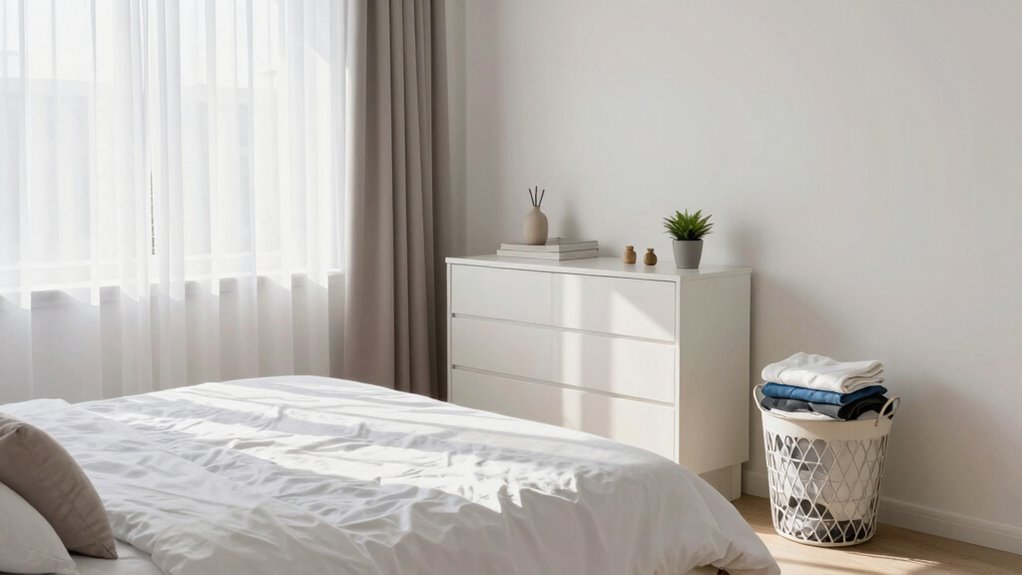
Decluttering can feel overwhelming, especially when you’re faced with the chaos of multiple rooms. The sheer volume of stuff can make it seem like an impossible task, but breaking it down into manageable steps makes all the difference. Start by choosing one room at a time instead of trying to tackle everything at once. This way, you can focus your energy and avoid burnout. Remember, the goal is progress, not perfection.
Tackle one room at a time to make decluttering manageable and avoid feeling overwhelmed.
As you begin, use effective storage solutions to keep things organized. Clear bins, labeled containers, and shelving units can transform clutter into tidy spaces. When you find items you no longer need, decide whether to donate, recycle, or discard. Having designated spots for frequently used items helps maintain order and keeps your space functional. Incorporate organizing tips like sorting items by category—clothes, books, kitchenware—so you can see what you have and make quick decisions about what to keep or let go. Understanding clutter management techniques can also help you develop long-term habits to prevent future buildup. Additionally, establishing a routine for tidying up can reinforce these habits and keep clutter from creeping back in. Recognizing the importance of mindful organization can further enhance your decluttering efforts.
To stay motivated, set small, achievable goals during each decluttering session. For example, aim to empty one drawer or clear off a specific shelf. Celebrate those wins to build momentum. Keep your tools and supplies handy, such as garbage bags, cleaning cloths, and storage bins, to streamline the process. When you hit a section that feels particularly overwhelming, take a short break or switch to a different task for a while. This prevents fatigue and keeps your mind fresh. Additionally, understanding decluttering methods can help you identify the most effective strategies that suit your space and personality.
It’s also helpful to schedule decluttering sessions at regular intervals, like 15 or 30 minutes daily, rather than trying to carve out hours at once. Consistent, shorter bursts of effort are less exhausting and more sustainable over time. As you go, remember to stay mindful of your limits. It’s okay to pause and come back later if you’re feeling drained. When you’re finished, take a moment to admire your progress. Seeing your space gradually transform will motivate you to keep going until all rooms are tackled.
In the end, decluttering by room doesn’t have to drain your energy or enthusiasm. By focusing on manageable tasks, utilizing smart storage solutions, and applying simple organizing tips, you’ll create a more peaceful, functional home without feeling burned out. Staying mindful of clutter management techniques is essential to maintaining a tidy space long-term. Keep your eye on the bigger picture, stay consistent, and be kind to yourself through the process. Your organized space is within reach, one room at a time.
As an affiliate, we earn on qualifying purchases.
Frequently Asked Questions
How Long Should I Spend Decluttering Each Room?
You should spend about 15 to 30 minutes per room, depending on its size and clutter level. Use effective time management and decluttering techniques, like setting a timer and focusing on specific areas. Break the process into manageable chunks to avoid feeling overwhelmed. This way, you stay productive without burnout, and you’ll see progress quickly. Remember, consistency matters more than marathon sessions.
What Tools Are Best for Quick Decluttering?
Think of your decluttering tools as your magic wand. Use clear storage solutions like baskets and bins to quickly corral items, making cleanup faster. Keep handy cleaning supplies like microfiber cloths and all-purpose sprays to tackle dust and grime as you go. These tools streamline your process, turning chaos into order effortlessly, so you stay motivated without feeling overwhelmed. With the right tools, you’ll see progress in no time.
How Do I Stay Motivated Throughout the Process?
To stay motivated, you should incorporate mindful breaks into your decluttering sessions, giving yourself time to recharge and prevent burnout. Use reward systems to celebrate small wins, like treating yourself after completing a room or section. Keep your goals realistic and remind yourself of the benefits, such as a cleaner space and less stress. These strategies help maintain your enthusiasm and make the process feel more manageable and rewarding.
What if I Find Sentimental Items I Can’t Part With?
When you find sentimental items you can’t part with, don’t rush. Instead, practice emotional detachment by asking yourself if the item truly enhances your life now. Keep a special box for the most meaningful pieces, and revisit it later—sometimes time gives clarity. Remember, it’s okay to hold onto memories without holding onto clutter. This balance lets you honor your sentimental attachment while creating a more organized space.
How Can I Involve Family Members Without Conflict?
You can involve family members by fostering open family communication and setting clear expectations. Encourage everyone to share their opinions and listen actively, which helps prevent misunderstandings. Use conflict resolution skills to address disagreements calmly and respectfully. Make it a team effort, emphasizing shared goals and compromise. This approach keeps the process positive, minimizes conflicts, and guarantees everyone feels heard and valued during the decluttering journey.
labeled plastic storage containers
As an affiliate, we earn on qualifying purchases.
As an affiliate, we earn on qualifying purchases.
Conclusion
Decluttering each room gradually can make the process less overwhelming and more manageable. Remember, tackling one space at a time keeps you motivated and prevents burnout. Did you know that a cluttered environment can increase stress levels by up to 40%? By following these steps, you not only create a cleaner space but also boost your mental well-being. So, take it slow, celebrate small wins, and enjoy the calming benefits of a decluttered home.
As an affiliate, we earn on qualifying purchases.
As an affiliate, we earn on qualifying purchases.
Fall Picks
fall essentials
As an affiliate, we earn on qualifying purchases.