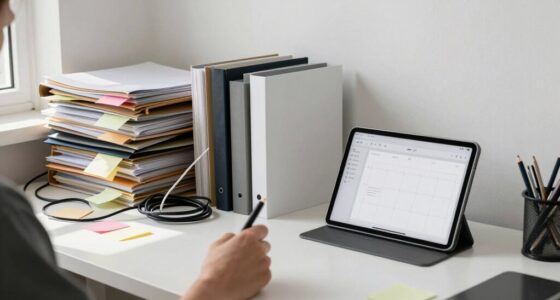

When everything feels useful, start by identifying what genuinely benefits your current life and well-being. Consider how often you use or enjoy each item and whether it holds meaningful emotional value. Be honest about what’s necessary versus what’s simply taking up space out of habit. Balance emotional attachment with practicality to create a space that supports your present needs. If you’re ready to explore how to make these decisions easier, more helpful ideas await you.

Get the little things that make your day delivered free with Prime
- Fast, free delivery on millions of items
- Prime Video, Amazon Music and more included
- Member-only deals all year
Key Takeaways
- Assess how often you use each item and whether it serves a current practical need.
- Differentiate between emotional attachment and actual usefulness for your present life.
- Set specific criteria, such as usage in the past year, to guide what to keep or discard.
- Consider the mental and physical space benefits of decluttering, prioritizing items that promote well-being.
- Make mindful decisions, balancing emotional significance with practicality to create a functional environment.
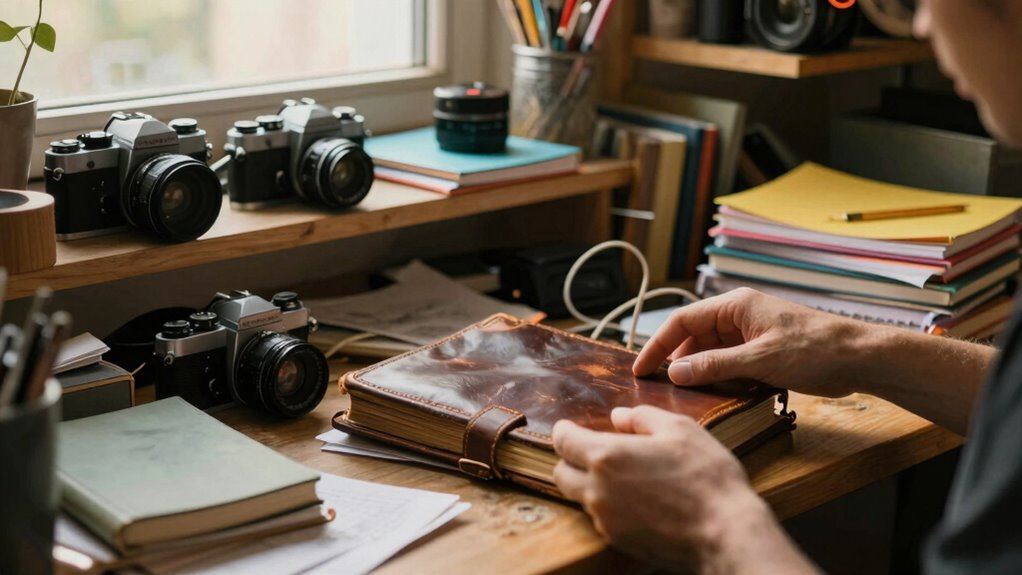
Have you ever felt overwhelmed by the urge to keep everything because it all seems useful? That feeling can be intense, especially when every item sparks some form of emotional attachment or seems practical in some way. You’re caught between the desire to hold onto things because they remind you of good memories or make you feel secure, and the need to declutter for clarity and space. To navigate this, it’s essential to recognize the difference between emotional attachment and practical considerations.
Balancing emotional attachment and practicality helps create a space that’s meaningful, clear, and truly supportive of your current life.
Start by questioning why you want to keep each item. Is it because it genuinely adds value to your life today, or because it carries sentimental significance from the past? Emotional attachment often makes it difficult to part with certain belongings, but it’s important to remember that memories aren’t stored in objects—they’re in your mind and heart. Holding onto things because they evoke nostalgia can clutter your space and create mental burdens. Conversely, practical considerations involve evaluating whether an item serves a current purpose or contributes to your well-being now. If something is useful, functional, and genuinely improves your daily life, then keeping it makes sense. But if it’s just taking up space with little to no current benefit, it might be time to rethink.
Another helpful step is to set clear criteria for what to keep. For example, you might decide that items you haven’t used in the past year are candidates for removal unless they hold significant emotional value. For this, establishing decision-making criteria based on usage and significance can simplify your process. Separate your belongings into categories: those you use regularly, those with sentimental value, and those that are unnecessary. Be honest with yourself about what’s worth holding onto and what’s just occupying space because of inertia or guilt. Remember, practicality isn’t about discarding everything; it’s about making thoughtful decisions that support your current life. Additionally, understanding the importance of emotional attachment can help you differentiate between what truly benefits you and what may just be a holdover from the past. Recognizing the role of biodiversity in natural environments can also remind us of the importance of balance and making mindful choices, whether about possessions or ecological impacts. Incorporating a mindful decision-making approach can further strengthen your ability to make those choices intentionally.
Furthermore, being aware of the psychological effects of clutter can motivate you to let go of unnecessary items, leading to a more peaceful environment that supports your overall wellness. It’s also wise to ponder the long-term impact of your choices. Will keeping an item bring you joy or peace in the future? Or will it become a source of stress or clutter again? Sometimes, letting go can be a form of self-care, freeing you from the weight of unnecessary possessions. By balancing emotional attachment with practical considerations, you empower yourself to make decisions that reflect your present needs rather than past attachments or unfocused habits. Ultimately, it’s about creating a space that feels right for you—one that’s functional, meaningful, and free of unnecessary clutter.
As an affiliate, we earn on qualifying purchases.
Frequently Asked Questions
How Do I Handle Emotional Attachments to Items?
To handle emotional attachments to items, acknowledge their emotional value but set boundaries. Ask yourself why each item matters—does it represent a special memory or person? Avoid sentimental clutter by taking photos of items before letting them go. You can keep the memory without keeping the object. Focus on meaningful experiences instead of possessions, and remind yourself that memories live in your heart, not just in physical things.
What if I Need Items for Future Use?
Planning for future needs? You should prioritize practical storage strategies that maximize space and accessibility. Decide what items genuinely serve a purpose for upcoming projects or seasons, then designate specific spots for these essentials. Label containers clearly, and consider using stackable storage to save space. By organizing thoughtfully, you’ll keep necessary items handy without clutter, making future planning smoother and more manageable, all while maintaining your space’s serenity.
How Often Should I Reassess What I Keep?
You should reassess your storage organization and decluttering strategies every 6 to 12 months. Regularly reviewing your items helps you determine if they still serve a purpose or if your needs have changed. Set reminders to evaluate what you truly use and what can be donated or discarded. This habit keeps your space functional and clutter-free, ensuring your storage stays organized and aligned with your current lifestyle.
Can I Donate Items I Still Find Useful?
Think of donating items you still find useful as a practical donation, especially if someone else can benefit from them. Ethical considerations come into play—you’re helping others while decluttering. Yes, you can donate these items, but make certain they’re in good condition. Donating things you still value is a responsible choice, making sure your possessions serve a purpose beyond your space, just like a vintage typewriter still has charm and utility today.
How Do I Prioritize Space for Essential Items?
To prioritize space for essential items, start with space-saving techniques like vertical storage and multi-purpose furniture. Use clutter reduction methods by categorizing items and removing duplicates or rarely used belongings. Focus on what truly adds value or necessity to your daily life. Keep only those essentials within easy reach, and store non-essentials elsewhere. This approach helps you maximize space efficiently, ensuring your essentials stay accessible and your space remains organized.
As an affiliate, we earn on qualifying purchases.
Conclusion
When everything feels useful, it’s easy to be overwhelmed. But by balancing bravery with boundaries, you can boldly banish the clutter and bring clarity to your space. Focus on what truly fuels your flow, and let go of what no longer serves you. Remember, decluttering doesn’t mean discarding; it’s about discerning what’s dedicated to your happiness and harmony. So, take a deep breath, trust your instincts, and triumphantly transform your space into a sanctuary.
minimalist home organization tools
As an affiliate, we earn on qualifying purchases.
As an affiliate, we earn on qualifying purchases.
emotional attachment decluttering guide
As an affiliate, we earn on qualifying purchases.
As an affiliate, we earn on qualifying purchases.
NFL season / tailgating Picks
team gear
As an affiliate, we earn on qualifying purchases.